As a supplier of robot joint actuators, I’ve witnessed firsthand the critical role these components play in the robotics industry. Robot joint actuators are the heart of robotic systems, enabling movement and precision control. When it comes to evaluating the cost – effectiveness of these actuators, several key factors come into play. Robot Joint Actuators

1. Initial Purchase Cost
The first and most obvious factor is the initial purchase cost. This is the upfront expense that a customer incurs when buying the robot joint actuators. Different types of actuators vary significantly in price. For example, traditional electric motors are generally more affordable compared to high – end servo motors with advanced features.
However, it’s important to note that a lower initial cost doesn’t always mean better cost – effectiveness. Cheaper actuators may lack the precision, durability, or power required for certain applications. For instance, in industrial robots that perform high – precision tasks such as assembly in electronics manufacturing, a low – cost actuator may lead to frequent errors and rework, ultimately increasing the overall cost.
As a supplier, we offer a range of actuators with different price points. We understand that customers have different budgets and requirements. For customers on a tight budget, we can recommend cost – efficient actuators that still meet the basic performance needs. For those who need high – performance actuators for critical applications, we have premium products that offer superior precision and reliability.
2. Energy Efficiency
Energy efficiency is a crucial factor in determining the cost – effectiveness of robot joint actuators. Actuators that consume less energy not only reduce the operating cost but also have a lower environmental impact. In long – term operation, the energy savings can be substantial.
Electric actuators, for example, can be designed to be highly energy – efficient. Some modern electric actuators use advanced control algorithms to optimize power consumption. They can adjust the power output according to the load requirements, reducing energy waste. Pneumatic actuators, on the other hand, may consume more energy due to the need for a compressed air system.
We, as a supplier, focus on developing and providing energy – efficient actuators. Our actuators are designed with the latest technologies to minimize energy consumption without sacrificing performance. We also offer energy – management solutions to help customers further optimize their energy usage.
3. Maintenance and Lifespan
The maintenance requirements and lifespan of robot joint actuators are also important cost – effectiveness factors. Actuators that require frequent maintenance or have a short lifespan will increase the overall cost over time.
High – quality actuators are often more durable and require less maintenance. They are built with robust materials and advanced manufacturing processes to withstand harsh operating conditions. For example, actuators with sealed bearings and corrosion – resistant coatings can have a longer lifespan and require less frequent lubrication and replacement of parts.
As a supplier, we provide actuators with a long lifespan and low maintenance requirements. We also offer maintenance services and support to help customers keep their actuators in good working condition. Our technical team can provide guidance on proper maintenance procedures and offer replacement parts when needed.
4. Performance and Precision
The performance and precision of robot joint actuators are directly related to their cost – effectiveness. Actuators that can provide high – precision movement and accurate control are more valuable in applications where precision is critical.
In applications such as surgical robots, where a small error can have serious consequences, high – precision actuators are essential. These actuators can ensure accurate positioning and smooth movement, improving the quality and safety of the operations.
Our company offers actuators with different levels of performance and precision. We can help customers select the right actuator based on their specific application requirements. Whether it’s a high – precision application or a more general – purpose one, we have the products to meet the needs.
5. Compatibility and Integration
The compatibility and integration of robot joint actuators with other components in the robotic system are also important. Actuators that are easy to integrate with existing systems can save time and cost during the installation and commissioning process.
We understand the importance of compatibility. Our actuators are designed to be compatible with a wide range of robotic platforms and control systems. We provide detailed technical specifications and support to help customers integrate our actuators into their systems smoothly.
6. Customization Capability
In some cases, customers may have specific requirements that cannot be met by off – the – shelf actuators. Customization capability is an important factor in cost – effectiveness.
We offer customization services to meet the unique needs of our customers. We can modify the design, performance, and features of our actuators according to the customer’s specifications. This allows customers to get the exact actuator they need, which can improve the overall performance and cost – effectiveness of their robotic systems.
7. Total Cost of Ownership (TCO)
The total cost of ownership is a comprehensive measure of the cost – effectiveness of robot joint actuators. It includes the initial purchase cost, energy cost, maintenance cost, and any other costs associated with the actuator over its lifespan.
When evaluating the cost – effectiveness of an actuator, it’s important to consider the TCO rather than just the initial purchase cost. A more expensive actuator with lower energy consumption and longer lifespan may have a lower TCO in the long run.
As a supplier, we help our customers calculate the TCO of our actuators. We provide detailed cost breakdowns and analysis to help customers make informed decisions.
In conclusion, the cost – effectiveness of robot joint actuators is determined by multiple factors, including initial purchase cost, energy efficiency, maintenance and lifespan, performance and precision, compatibility and integration, customization capability, and total cost of ownership. As a supplier, we are committed to providing high – quality, cost – effective actuators and excellent customer service.
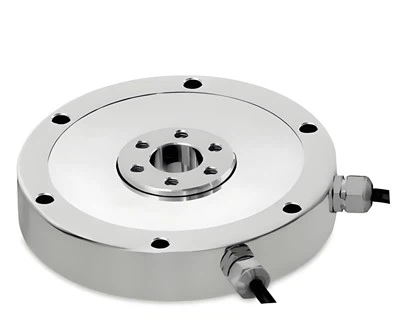
If you are in the market for robot joint actuators and want to discuss your specific needs, we would be more than happy to have a conversation with you. Our team of experts can provide you with detailed information and help you select the most suitable actuators for your application. Contact us to start the procurement discussion and take your robotic systems to the next level.
Robot Joint Actuators References:
- "Robotics: Modelling, Planning and Control" by Bruno Siciliano, Lorenzo Sciavicco, Luigi Villani, and Giuseppe Oriolo.
- "Industrial Robotics: Technology, Programming, and Applications" by Peter R. Corke.
Jiangsu Zhengfang Dynamics Technology Co., Ltd.
As one of the most professional robot joint actuators manufacturers and suppliers in China, we’re featured by quality products and good price. Please rest assured to buy customized robot joint actuators made in China here from our factory. Contact us for pricelist.
Address: Building 3, No. 69 Feitian Avenue, Jiangning District, Nanjing City, Jiangsu Province
E-mail: hanks.liu@zfdynamics.com
WebSite: https://www.zhengfangdongli.com/
