A hydraulic hose is a critical component in many mobile and industrial machinery. It carries high-pressure fluid to various parts of a hydraulic system, enabling the machinery to perform tasks accurately and efficiently. However, over time, these hoses can wear out, leading to leaks or failures that can compromise the safety and functionality of the equipment. As a trusted hydraulic hose supplier, I am here to guide you through the process of replacing a hydraulic hose so you can keep your hydraulic systems running smoothly. Hydraulic Hose

Tools and Materials Needed
Before you start, gather the necessary tools and materials. You’ll need a set of wrenches that fit the hose fittings securely. Make sure the wrench is the right type (e.g., adjustable, box-end, or open-end) for the specific fittings on your hydraulic system. Hydraulic fluid is required to refill the system after the hose replacement. Choose the type of fluid recommended by the equipment manufacturer. A new hydraulic hose is the most crucial material. Select a hose that matches the specifications of the original one, including inner diameter, length, and pressure rating. You’ll also need a pair of safety goggles to protect your eyes from hydraulic fluid splashes and any debris that may be dislodged during the process. Gloves are essential to protect your hands from sharp edges and the hydraulic fluid, which can be harmful to the skin.
Preparing for the Replacement
First, identify the hydraulic system you’re working on. Each system can have unique characteristics, and understanding its layout and components is crucial for a successful replacement. Locate the faulty hose by carefully inspecting the system for signs of wear, leaks, or damage. Look for visible cracks, cuts, or bulges in the hose, as well as any signs of fluid leakage around the fittings.
Once you’ve identified the faulty hose, it’s time to relieve the pressure in the hydraulic system. This is a critical safety step because working on a pressurized system can be extremely dangerous. Locate the pressure relief valve or valves in the system. These valves are typically marked and can be found near the hydraulic pump or other high-pressure components. Follow the manufacturer’s instructions to open the relief valve and release the pressure gradually. You may need to run the hydraulic system in a controlled manner to ensure all pressure is released.
When the system pressure has been completely relieved, it’s important to isolate the system from its power source. This could mean turning off the engine or electric motor that powers the hydraulic pump. You may also need to disconnect any electrical connections to prevent accidental activation of the system during the replacement process.
Removing the Old Hose
With the system safely depressurized and isolated, you can start removing the old hose. First, place a drain pan beneath the hose fittings. Hydraulic fluid may still be present in the hose and will drain out when the fittings are loosened. This pan will catch the fluid and prevent it from spilling on the floor or equipment, which can be a safety hazard and also lead to environmental contamination.
Use the appropriate wrenches to loosen the fittings on both ends of the hose. Turn the wrench counterclockwise to loosen the fittings. Depending on the type of fitting, you may need to hold one end of the fitting steady while turning the other. Some fittings may require the use of two wrenches to prevent damage to the hose or the mating component.
As you loosen the fittings, be prepared for a small amount of residual fluid to drain out. Once the fittings are loose enough, carefully pull the old hose out of the system. Take note of how the hose was routed and connected, as this will help you install the new hose correctly. Inspect the fittings on the old hose and the mating components for any signs of damage or wear. If the fittings are damaged, they may need to be replaced along with the hose.
Installing the New Hose
Before installing the new hose, make sure it is the correct size and type. Check the inner diameter, length, and pressure rating to ensure it matches the specifications of the old hose and the requirements of the hydraulic system. Also, inspect the fittings on the new hose to make sure they are in good condition.
Carefully route the new hose through the same path as the old one. Make sure the hose is not kinked or pinched, as this can restrict fluid flow and cause damage to the hose. Align the fittings on the new hose with the mating components in the hydraulic system. Slowly start to thread the fittings onto the components by hand to avoid cross-threading. Cross-threading can damage the threads on the fittings and make it difficult or impossible to achieve a proper seal.
Once the fittings are hand-tight, use the appropriate wrenches to tighten them further. Make sure to tighten the fittings to the recommended torque specification. Over-tightening can damage the fittings or the hose, while under-tightening can lead to leaks. Refer to the manufacturer’s instructions or a torque specification chart for the correct torque values.
Refilling and Testing the System
After installing the new hose, it’s time to refill the hydraulic system with fluid. Remove the filler cap from the hydraulic reservoir and slowly pour the recommended hydraulic fluid into the reservoir. Be careful not to overfill the reservoir, as this can cause problems with the hydraulic system. Use a funnel to prevent spills.
As you refill the system, check for any leaks around the hose fittings. Monitor the level of the fluid in the reservoir and add more fluid as needed until it reaches the proper level. Once the system is filled, start the power source and run the hydraulic system in a slow, controlled manner. This will help to circulate the fluid through the system and bleed any air that may have entered the system during the hose replacement process.
Continue to monitor the system for any signs of leaks or abnormal operation. Check the temperature and pressure gauges (if available) to make sure the system is operating within the normal range. If you notice any leaks or abnormal operation, immediately stop the system and inspect the hose fittings and connections for possible issues.
Maintenance and Best Practices
To ensure the longevity of your new hydraulic hose and the overall performance of your hydraulic system, it’s important to follow some maintenance best practices. Regularly inspect the hoses and fittings for signs of wear, damage, or leaks. Check the hoses for cracks, cuts, bulges, or signs of abrasion, and inspect the fittings for signs of corrosion or looseness.
Keep the hydraulic system clean to prevent dirt and debris from entering the system. This can help to reduce the risk of damage to the hoses and other components. Change the hydraulic fluid and filters at the recommended intervals to maintain the quality of the fluid and prevent contamination.
Properly store any spare hydraulic hoses in a clean, dry place away from direct sunlight and heat. Exposure to sunlight and extreme temperatures can cause the hoses to deteriorate over time.
Conclusion
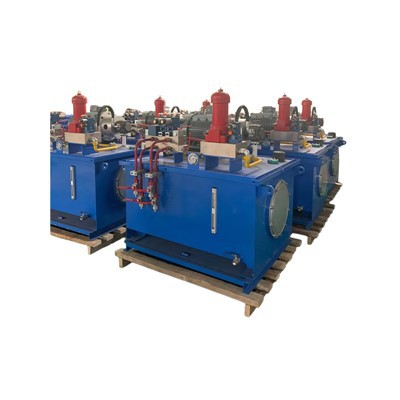
Compact Hydraulics Replacing a hydraulic hose is a task that requires careful preparation, attention to detail, and a commitment to safety. By following the steps outlined in this blog, you can successfully replace a hydraulic hose and keep your hydraulic system operating smoothly. As a professional hydraulic hose supplier, I understand the importance of using high-quality hoses and providing reliable support. Whether you’re in need of a single hose or a large order for your business, I’m here to assist you. Our extensive range of hydraulic hoses is designed to meet the highest standards of quality and performance. We pride ourselves on our expertise and customer service, and we’re ready to help you find the right solution for your hydraulic system needs. If you have any questions or if you’re interested in discussing your hydraulic hose requirements, please don’t hesitate to reach out. Contact us today to explore our product offerings and start a conversation about how we can meet your hydraulic hose needs.
References
- "Hydraulic Systems: Operation, Maintenance, and Troubleshooting." Industrial Press.
- Manufacturer’s manuals for the specific hydraulic equipment and hoses.
- Professional hydraulic engineering textbooks and trade publications.
Wuhu Zhongye Fluid Equipment Co., Ltd.
We are one of the most experienced hydraulic hose manufacturers and suppliers in China, specialized in providing high quality customized products. Please feel free to wholesale bulk durable hydraulic hose in stock here from our factory. Contact us for quotation.
Address: No. 2, Hexing Road, Sanshan District, Wuhu City, Anhui Province
E-mail: zhongyehydro20@163.com
WebSite: https://www.zhongyehydro.com/
