Halal certification has become a significant aspect of the global market, especially in the food, beverage, and pharmaceutical industries. As a supplier of Halal capsules, I understand the importance of maintaining high – quality standards that align with Islamic dietary laws. In this blog, I will delve into what quality control of Halal capsules entails and why it is crucial for both consumers and suppliers. HALAL Capsules
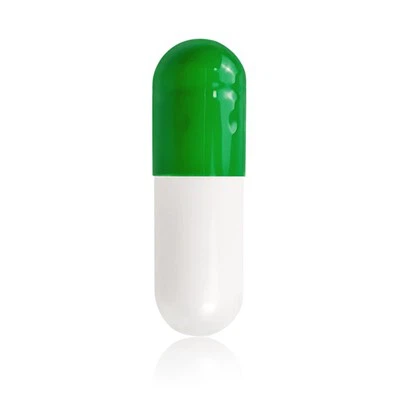
Understanding Halal and Its Significance
Halal, an Arabic term, means "permissible" in Islamic law. For products to be considered Halal, they must adhere to specific guidelines set by Islamic scholars and regulatory bodies. These guidelines cover various aspects of production, including the sourcing of raw materials, the manufacturing process, and the storage and transportation of the final product.
In the context of capsules, Halal certification assures Muslim consumers that the capsules are free from any ingredients or processes that are considered Haram (forbidden), such as pork – derived gelatin, alcohol, and certain types of enzymes. This not only caters to the religious beliefs of Muslim consumers but also opens up a vast and growing market segment.
Raw Material Sourcing
The first and most critical step in the quality control of Halal capsules is the sourcing of raw materials. Gelatin, a common ingredient in capsules, is a prime concern. Traditional gelatin is often derived from the skin, bones, and connective tissues of animals. For Halal capsules, the gelatin must come from Halal – slaughtered animals, such as cows, sheep, or goats, which are slaughtered according to Islamic rituals.
We work closely with our suppliers to ensure that the gelatin used in our capsules meets the strictest Halal standards. We require detailed documentation from our suppliers, including certificates of Halal slaughter and origin. These documents verify that the animals were raised, fed, and slaughtered in accordance with Islamic law.
In addition to gelatin, other ingredients used in the capsules, such as fillers, lubricants, and colorants, must also be Halal. We conduct thorough research on each ingredient, checking its source and production process. For example, some colorants may be derived from insects or contain alcohol, which are not Halal. We only source ingredients that have been certified Halal by recognized Islamic certification bodies.
Manufacturing Process
The manufacturing process of Halal capsules is another area where strict quality control measures are implemented. The production facilities must be clean and free from any cross – contamination with non – Halal products. This means that the equipment used in the manufacturing process, such as mixers, encapsulators, and packaging machines, must be thoroughly cleaned and sanitized before and after each production run.
We have a dedicated team of quality control experts who monitor the manufacturing process at every stage. They ensure that all production procedures comply with Halal standards. For instance, the mixing of ingredients must be done in a way that does not introduce any non – Halal substances. The encapsulation process must also be carefully controlled to prevent any leakage or contamination.
During the manufacturing process, we also conduct regular in – process inspections. Samples of the capsules are taken at various stages and tested for quality and purity. These tests include physical tests, such as capsule size, shape, and hardness, as well as chemical tests to ensure that the capsules contain the correct amount of active ingredients and are free from any impurities.
Storage and Transportation
Proper storage and transportation are essential to maintain the Halal status and quality of the capsules. The storage facilities must be clean, dry, and well – ventilated. The capsules should be stored in a way that prevents them from coming into contact with non – Halal products or substances.
We use temperature – controlled storage facilities to ensure that the capsules are stored at the appropriate temperature. This helps to preserve the quality and stability of the capsules. During transportation, we also take precautions to prevent any damage or contamination. The capsules are packed in sealed containers and transported in clean vehicles. We also ensure that the transportation routes do not involve any stops or handling that could compromise the Halal status of the capsules.
Certification and Auditing
Obtaining Halal certification from a recognized Islamic certification body is a crucial part of the quality control process. These certification bodies conduct thorough audits of our production facilities, raw material suppliers, and manufacturing processes. They verify that all aspects of our operations comply with Halal standards.
We undergo regular audits to maintain our Halal certification. These audits are conducted by independent third – party auditors who have extensive knowledge of Islamic law and Halal certification requirements. The auditors review our documentation, inspect our facilities, and test our products to ensure that we continue to meet the high – quality standards set by the certification body.
Quality Control and Consumer Trust
Quality control of Halal capsules is not only about meeting regulatory requirements but also about building consumer trust. Muslim consumers are increasingly concerned about the authenticity and quality of Halal products. By implementing strict quality control measures, we can assure our customers that our Halal capsules are safe, pure, and compliant with Islamic law.
When consumers trust our products, they are more likely to choose our capsules over those of our competitors. This can lead to increased sales and brand loyalty. In addition, a good reputation for quality control can also help us expand into new markets and attract new customers.
Conclusion

In conclusion, the quality control of Halal capsules is a comprehensive process that involves every aspect of the production, from raw material sourcing to storage and transportation. By adhering to strict Halal standards and implementing rigorous quality control measures, we can ensure that our capsules are of the highest quality and meet the needs of Muslim consumers.
Liquid-Filled Capsules If you are interested in purchasing high – quality Halal capsules, I invite you to contact us for a detailed discussion. We are committed to providing you with the best products and services. Our team of experts is ready to answer any questions you may have and assist you in finding the right Halal capsule solutions for your needs.
References
- Islamic Food and Nutrition Council of America (IFANCA). Guidelines for Halal Certification.
- The Halal Journal. Best Practices in Halal Product Manufacturing.
- International Halal Integrity Alliance. Standards for Halal Product Quality Control.
Hubei Kornnac Pharmaceutical Co., Ltd.
Hubei Kornnac Pharmaceutical Co., Ltd. is one of the most professional halal capsules manufacturers and suppliers in China, specialized in providing high quality OEM service. Welcome you to buy bulk customized halal capsules at competitive price from our factory. Also, samples are available.
Address: No.439 Hebei Avenue, Chibi, Hubei Province, 437300, China.
E-mail: service@kornnaccaps.com
WebSite: https://www.kornnaccaps.com/
