As a seasoned provider of centrifugal fans, I’ve witnessed firsthand the array of challenges that users often encounter. These robust machines, designed to move air or gas through a system, are integral to numerous industrial and commercial applications. However, like any mechanical equipment, they are not immune to problems. In this blog, I’ll delve into the common issues associated with centrifugal fans, offering insights and solutions based on my years of experience in the industry. Centrifugal Fan

1. Vibration and Noise
One of the most prevalent problems with centrifugal fans is excessive vibration and noise. Vibration can stem from several factors, including unbalanced impellers, misaligned shafts, loose mounting bolts, or worn bearings. When an impeller is unbalanced, it creates uneven forces as it rotates, causing the fan to vibrate. This not only generates noise but can also lead to premature wear and tear on the fan components, potentially resulting in costly breakdowns.
Misalignment of the shaft can occur during installation or due to thermal expansion and contraction over time. If the motor shaft and the fan shaft are not properly aligned, it can cause excessive stress on the bearings and couplings, leading to increased vibration and noise. Loose mounting bolts can also contribute to vibration, as they allow the fan to move freely and create additional noise.
Worn bearings are another common culprit behind vibration and noise in centrifugal fans. Bearings support the rotating shaft and reduce friction, but over time, they can wear out due to normal use, lack of lubrication, or contamination. When bearings are worn, they can cause the shaft to wobble, resulting in increased vibration and noise.
To address these issues, regular maintenance is essential. This includes checking the balance of the impeller, ensuring proper alignment of the shafts, tightening loose mounting bolts, and lubricating or replacing worn bearings as needed. Additionally, using vibration isolation mounts can help reduce the transmission of vibration to the surrounding structure, minimizing noise levels.
2. Airflow Problems
Another common problem with centrifugal fans is airflow issues. Insufficient airflow can be caused by a variety of factors, such as clogged filters, blocked ducts, or a damaged impeller. Clogged filters restrict the intake of air into the fan, reducing its efficiency and performance. Over time, dust and debris can accumulate on the filters, causing them to become blocked and impeding the airflow.
Blocked ducts can also prevent the proper flow of air through the system. This can be due to a variety of reasons, such as debris buildup, improper installation, or a kinked duct. A damaged impeller can also affect the airflow, as it may not be able to generate enough pressure to move the air through the system effectively.
To resolve airflow problems, it’s important to regularly clean or replace the filters to ensure proper air intake. Inspecting the ducts for blockages and ensuring they are properly installed and maintained can also help improve airflow. If the impeller is damaged, it should be replaced as soon as possible to restore the fan’s performance.
3. Motor Issues
The motor is the heart of a centrifugal fan, and any problems with it can significantly affect the fan’s operation. Common motor issues include overheating, electrical failures, and bearing problems. Overheating can occur due to a variety of reasons, such as excessive load, poor ventilation, or a malfunctioning cooling system. When a motor overheats, it can damage the insulation and windings, leading to premature failure.
Electrical failures can also occur in centrifugal fan motors. This can be due to faulty wiring, a blown fuse, or a malfunctioning capacitor. A blown fuse can cause the motor to stop working, while a faulty capacitor can affect the motor’s starting and running performance.
Bearing problems in the motor can also lead to issues with the centrifugal fan. Worn or damaged bearings can cause the motor to vibrate excessively, generate noise, and eventually fail. Regular maintenance of the motor, including checking the temperature, inspecting the electrical connections, and lubricating or replacing the bearings as needed, can help prevent these problems.
4. Belt and Pulley Problems
Many centrifugal fans use belts and pulleys to transmit power from the motor to the impeller. Over time, these components can experience wear and tear, leading to problems such as slipping belts, misaligned pulleys, or worn bearings. A slipping belt can reduce the efficiency of the fan, as it may not be able to transfer the full power of the motor to the impeller. This can result in reduced airflow and performance.
Misaligned pulleys can also cause problems, as they can cause the belt to wear unevenly and eventually break. Worn bearings in the pulleys can also lead to excessive noise and vibration, as well as premature failure of the belt and pulley system.
To address belt and pulley problems, it’s important to regularly inspect the belts for signs of wear and replace them as needed. Ensuring proper alignment of the pulleys and lubricating the bearings can also help prevent these issues.
5. Corrosion and Erosion
In some environments, centrifugal fans may be exposed to corrosive or erosive substances, such as chemicals, dust, or moisture. This can cause corrosion and erosion of the fan components, leading to reduced performance and lifespan. Corrosion can occur when the metal surfaces of the fan come into contact with corrosive substances, causing them to rust and deteriorate over time.
Erosion can occur when the fan is exposed to high-velocity particles, such as dust or sand, which can wear away the surface of the impeller and other components. To prevent corrosion and erosion, it’s important to choose the right materials for the fan based on the operating environment. Using corrosion-resistant coatings or materials can also help protect the fan components from damage.
Conclusion
In conclusion, centrifugal fans are essential pieces of equipment in many industrial and commercial applications, but they are not without their challenges. Vibration and noise, airflow problems, motor issues, belt and pulley problems, and corrosion and erosion are some of the common problems that users may encounter. By understanding these issues and implementing proper maintenance and prevention measures, users can ensure the reliable and efficient operation of their centrifugal fans.
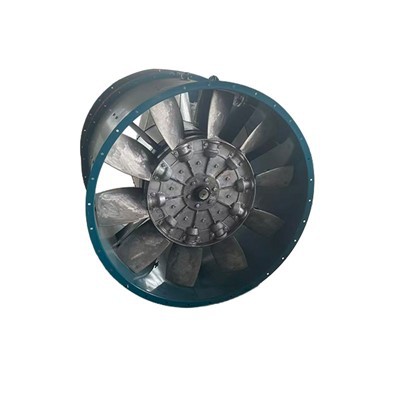
Axial Fan If you’re facing any of these problems with your centrifugal fans or are in the market for a new fan, I encourage you to reach out to us. Our team of experts has extensive experience in providing high-quality centrifugal fans and solutions tailored to your specific needs. We can help you select the right fan for your application, provide installation and maintenance services, and offer technical support whenever you need it. Don’t hesitate to contact us to discuss your requirements and explore how we can help you optimize your airflow systems.
References
- ASHRAE Handbook: Fundamentals. American Society of Heating, Refrigerating and Air-Conditioning Engineers.
- Fan Engineering: The Application, Selection, and Testing of Fans. Buffalo Forge Company.
- Industrial Ventilation: A Manual of Recommended Practice. American Conference of Governmental Industrial Hygienists.
Anhui Zhongxin Sanyuan Ventilation Equipment Co., Ltd.
We are one of the most professional centrifugal fan manufacturers and suppliers in China, featured by quality products and good price. Please rest assured to buy customized centrifugal fan made in China here from our factory. Also, pricelist is available.
Address: No. 1 Yuanxing Road, North District of Guangde Economic Development Zone, Guangde City, Xuancheng City, Anhui Province, China
E-mail: newsanyan@gmail.com
WebSite: https://www.newsanyan.com/
