The history of glass droppers is a fascinating journey that spans centuries, marked by innovation, scientific advancement, and practical application. As a supplier of glass droppers, I’ve had the privilege of delving deep into this history and understanding how these simple yet essential tools have evolved over time. Glass Dropper
Ancient Origins
The story of glass droppers begins in ancient times. The art of glassmaking dates back to around 3500 BC in Mesopotamia. Early glassmakers discovered that by heating sand and other materials, they could create a transparent and malleable substance. This early glass was mainly used for decorative purposes, such as making beads and small figurines.
It wasn’t until the Roman Empire that glass production became more widespread and sophisticated. The Romans developed techniques for blowing glass, which allowed them to create a variety of shapes and forms. While there is no direct evidence of glass droppers from this era, the basic skills of glassblowing were in place. The Romans used glass containers for storing perfumes, oils, and medicines, and it’s likely that they used some form of simple pipette or dropper – like device to dispense these substances.
Medieval and Renaissance Periods
During the Middle Ages, glassmaking in Europe declined due to the fall of the Roman Empire and political instability. However, in the Islamic world, glassmaking continued to thrive. Islamic artisans made significant advancements in glass technology, including the development of more precise glassblowing techniques.
In the Renaissance, glassmaking in Europe experienced a revival. The Venetians became renowned for their high – quality glass products, and their glassblowers were highly skilled. It was during this time that more specialized glassware began to emerge. Scientists and alchemists were using glass containers for their experiments, and the need for accurate dispensing of liquids became apparent. Simple glass pipettes, which can be considered early predecessors of glass droppers, started to be used in laboratories. These pipettes were often hand – blown and had a basic design for transferring small amounts of liquid.
The 17th and 18th Centuries: Scientific Advancements
The 17th and 18th centuries were a time of great scientific progress. The development of the scientific method led to more precise experimentation in fields such as chemistry and medicine. Glass droppers, as we know them today, started to take shape during this period.
Scientists needed a reliable way to measure and dispense small volumes of liquids accurately. Glass was the ideal material because it was inert, transparent, and could be easily shaped. Glass droppers with a bulb at one end and a narrow tube at the other were invented. The bulb allowed for easy suction and release of liquid, providing a more controlled way of dispensing. These early glass droppers were used in chemical analysis, where accurate measurements of reagents were crucial for obtaining reliable results.
In medicine, glass droppers also found their place. Doctors and pharmacists used them to dispense medications in precise dosages. This was a significant improvement over previous methods, which often involved estimating the amount of medicine to be given.
The 19th Century: Industrialization and Mass Production
The 19th century brought about the Industrial Revolution, which had a profound impact on glass dropper production. With the development of new manufacturing techniques, glass droppers could be produced on a larger scale and at a lower cost.
Machine – blown glass became more common, replacing the labor – intensive hand – blowing process. This allowed for greater consistency in the production of glass droppers. The quality and precision of glass droppers improved, making them more accessible to a wider range of users, including laboratories, pharmacies, and even households.
The demand for glass droppers increased as the fields of chemistry, biology, and medicine continued to expand. In the pharmaceutical industry, glass droppers were essential for packaging and dispensing liquid medications. They were also used in the cosmetics industry for applying perfumes, essential oils, and other beauty products.
The 20th Century: Innovation and Specialization
The 20th century saw further innovation in glass dropper design and functionality. New materials and manufacturing processes were introduced to improve the performance of glass droppers.
For example, the development of borosilicate glass revolutionized the laboratory glassware industry. Borosilicate glass has a high resistance to thermal shock and chemical corrosion, making it ideal for use in scientific experiments. Glass droppers made from borosilicate glass could withstand high temperatures and harsh chemicals without breaking or reacting with the substances they were dispensing.
In addition to laboratory and pharmaceutical applications, glass droppers also found new uses in the food and beverage industry. They were used for adding flavorings, essences, and colorings in precise amounts. The design of glass droppers also became more ergonomic, with features such as comfortable grips and easy – to – use bulbs.
The 21st Century: Sustainability and Customization
In the 21st century, there has been a growing focus on sustainability and customization in the glass dropper industry. As consumers become more environmentally conscious, there is a demand for glass droppers that are recyclable and made from sustainable materials.
Many glass dropper manufacturers, including ourselves, are now using recycled glass in their production processes. This not only reduces the environmental impact but also helps to conserve natural resources.
Customization has also become a key trend. Customers are looking for glass droppers that are tailored to their specific needs. We offer a range of customization options, including different sizes, shapes, colors, and markings. This allows our customers to create glass droppers that are unique and suitable for their particular applications.
Our Role as a Glass Dropper Supplier
As a glass dropper supplier, we are proud to be part of this long – standing tradition. We understand the importance of quality, precision, and innovation in the production of glass droppers. Our team of experts is dedicated to using the latest technologies and manufacturing processes to ensure that our glass droppers meet the highest standards.
We supply glass droppers to a wide range of industries, including pharmaceuticals, cosmetics, food and beverage, and scientific research. Our products are known for their reliability and durability, and we strive to provide excellent customer service.
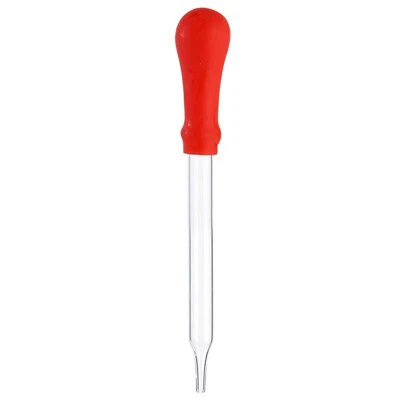
Whether you are a small – scale business looking for a few custom – made glass droppers or a large corporation in need of bulk orders, we have the solutions for you. Our commitment to sustainability means that you can feel good about choosing our products, knowing that you are making an environmentally friendly choice.
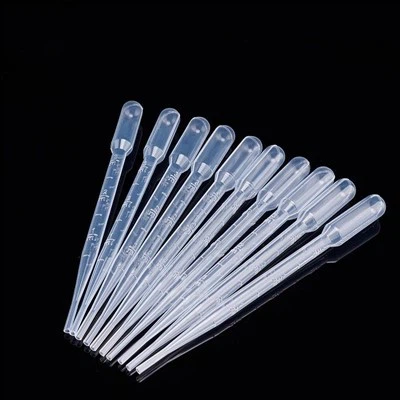
Plastic Dropper If you are interested in learning more about our glass droppers or would like to discuss a potential procurement, we encourage you to reach out to us. We look forward to the opportunity to work with you and help meet your glass dropper needs.
References
- "Glass: A World History" by Alan Macfarlane and Gerry Martin
- "A History of Glass" by Hugh Tait
- "The Art and Science of Glassmaking" edited by Paul B. Henderson
Taizhou Yukang Medical Devices Co., Ltd.
As one of the leading glass dropper manufacturers and suppliers in China, we warmly welcome you to buy customized glass dropper at competitive price from our factory. If you have any enquiry about quotation, please feel free to email us.
Address: Heheng Village, Shengao Town, Jiangyan District, Taizhou City
E-mail: taizhouyukang@163.com
WebSite: https://www.tzykylqx.com/
