As a seasoned supplier of metal bellows, I understand the crucial role that choosing the appropriate shipping method plays in ensuring the safe and timely delivery of our products to our valued customers. Metal bellows are precision-engineered components used in a wide range of industries, including aerospace, automotive, and manufacturing. Their delicate nature and specific handling requirements make the selection of the right shipping method essential. In this blog post, I will share my insights and experiences on how to choose the most suitable shipping method for metal bellows. Metal Bellows
Understanding the Characteristics of Metal Bellows
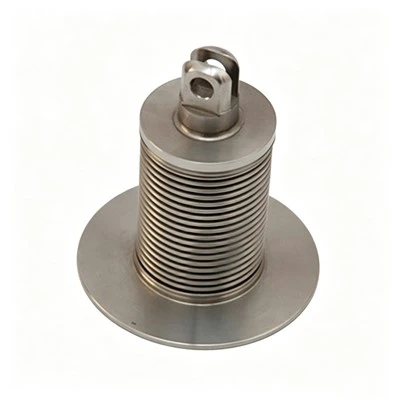
Before delving into the details of shipping methods, it is essential to understand the unique characteristics of metal bellows. Metal bellows are typically made of materials such as stainless steel, copper, and nickel alloys. These materials are chosen for their excellent corrosion resistance, high temperature tolerance, and flexibility. However, the thin walls and convoluted structure of metal bellows make them vulnerable to damage during transportation.
The main risks associated with transporting metal bellows include:
- Mechanical Damage: Metal bellows can be easily dented, scratched, or deformed if they are not properly protected during shipping. This can affect their performance and functionality, leading to costly repairs or replacements for the customer.
- Corrosion: Exposure to moisture, humidity, or corrosive substances during transit can cause the metal bellows to rust or corrode. This can weaken the material and reduce the lifespan of the bellows.
- Contamination: Metal bellows are often used in applications where cleanliness is critical. Any contamination during shipping, such as dust, dirt, or oil, can affect the performance of the bellows and the overall system in which they are installed.
Factors to Consider When Choosing a Shipping Method
When selecting a shipping method for metal bellows, several factors need to be taken into account. These factors include:
- Nature of the Product: The type, size, and weight of the metal bellows will determine the most suitable shipping method. For example, small and lightweight bellows can be shipped via standard mail or courier services, while large and heavy bellows may require specialized shipping methods such as freight transportation.
- Distance and Destination: The distance between the supplier and the customer, as well as the destination country or region, will also impact the choice of shipping method. International shipments may require additional documentation, customs clearance, and compliance with local regulations.
- Shipping Time: The required delivery time is an important consideration, especially for customers who have urgent orders or production schedules. Some shipping methods, such as express courier services, offer faster delivery times but may be more expensive.
- Cost: The cost of shipping is a significant factor for both the supplier and the customer. It is important to balance the cost of shipping with the level of protection and service provided. Cheaper shipping methods may not offer adequate protection for the metal bellows, while more expensive methods may not be necessary for all orders.
- Level of Protection: The shipping method should provide adequate protection for the metal bellows during transit. This may include using appropriate packaging materials, such as foam inserts, cushioning, and protective wraps, to prevent mechanical damage. Additionally, the shipping container should be sealed and labeled to protect the bellows from moisture, dust, and other contaminants.
- Tracking and Insurance: Tracking and insurance options are important for ensuring the visibility and security of the shipment. Tracking allows both the supplier and the customer to monitor the progress of the delivery, while insurance provides financial protection in case of loss, damage, or theft during transit.
Common Shipping Methods for Metal Bellows
There are several shipping methods available for transporting metal bellows, each with its own advantages and disadvantages. The most common shipping methods include:
- Standard Mail: Standard mail is a cost-effective option for shipping small and lightweight metal bellows. It is suitable for domestic shipments within the same country and offers basic tracking and delivery confirmation. However, standard mail may have longer delivery times and may not provide adequate protection for fragile or valuable items.
- Courier Services: Courier services, such as DHL, FedEx, and UPS, offer fast and reliable shipping options for metal bellows. They provide door-to-door delivery, tracking, and insurance services, making them a popular choice for international shipments and urgent orders. Courier services also offer a range of packaging options to ensure the protection of the bellows during transit. However, courier services can be more expensive than standard mail, especially for large or heavy shipments.
- Freight Transportation: Freight transportation is used for shipping large and heavy metal bellows. It includes options such as air freight, sea freight, and truck freight. Air freight is the fastest option but can be the most expensive, especially for long-distance shipments. Sea freight is a more cost-effective option for large volumes of goods but has longer delivery times. Truck freight is suitable for domestic shipments within a country or region and offers flexibility in terms of delivery schedules. Freight transportation requires specialized handling and packaging to ensure the safety of the bellows during transit.
- Specialized Shipping Services: In some cases, specialized shipping services may be required for transporting metal bellows. For example, if the bellows are used in sensitive applications or require strict temperature control during transit, specialized carriers or shipping methods may be necessary. These services can provide additional protection and monitoring to ensure the integrity of the bellows.
Best Practices for Shipping Metal Bellows
To ensure the safe and successful delivery of metal bellows, it is important to follow some best practices when shipping. These practices include:
- Proper Packaging: Use appropriate packaging materials to protect the metal bellows from mechanical damage, corrosion, and contamination. This may include foam inserts, cushioning, and protective wraps. The packaging should be sturdy and well-sealed to prevent any movement or damage during transit.
- Labeling: Clearly label the shipping container with the product name, quantity, handling instructions, and any special requirements. This will help the shipping carrier and the customer to handle the shipment correctly.
- Documentation: Provide all the necessary documentation, such as invoices, packing lists, and customs declarations, for international shipments. This will ensure smooth customs clearance and compliance with local regulations.
- Communication: Maintain open communication with the shipping carrier and the customer throughout the shipping process. Provide regular updates on the status of the shipment and address any concerns or issues promptly.
- Insurance: Consider purchasing insurance for the shipment to protect against loss, damage, or theft during transit. This will provide financial security for both the supplier and the customer.
Conclusion
Choosing the appropriate shipping method for metal bellows is a critical decision that can impact the quality, cost, and delivery time of the product. By understanding the characteristics of metal bellows, considering the factors that influence the choice of shipping method, and following best practices for shipping, suppliers can ensure the safe and timely delivery of their products to customers.
Metal Bellows If you are in the market for high-quality metal bellows and would like to discuss your specific requirements, please feel free to contact us. We have a team of experts who can provide you with personalized advice and solutions to meet your needs. We look forward to the opportunity to serve you and build a long-term partnership.
References
- ASTM International. (Year). Standard Specification for [Relevant Material or Product]. ASTM [Standard Number].
- Supplier’s Manuals and Technical Documentation for Metal Bellows
- Shipping Industry Guidelines and Best Practices for Fragile and Precision Components
Yixing Blog Pipeline Equipment Co., Ltd.
As one of the most professional metal bellows manufacturers and suppliers in China, we’re featured by quality products and good service. With abundant experience, we warmly welcome you to wholesale bulk metal bellows in stock here and get quotation from our factory. Customized orders are welcome.
Address: Zhizao Park, No.50 Chunjiang Road, Industrial Cluster Zone, Heqiao Town, Yixing City, Wuxi City, Jiangsu Province
E-mail: 1351116816@qq.com
WebSite: https://www.blogbellows.com/
