Hey there! As a supplier in the field of carbon fiber flexibility, I often get asked a bunch of questions about carbon fiber. One of the most frequent ones is, "Does the weave pattern of carbon fiber impact its flexibility?" Today, I’m gonna dive into this topic and share my insights and knowledge with you. Carbon Fiber Flexibility

First off, let’s quickly understand what carbon fiber is. Carbon fiber is this amazing material made up of thin, strong crystalline filaments of carbon. It’s super lightweight yet incredibly strong, which is why it’s used in all sorts of industries, from aerospace to automotive, and even in sports equipment.
Now, the weave pattern. Carbon fiber can be woven into different patterns, and each pattern has its own characteristics. The two most common weave patterns are the plain weave and the twill weave.
The plain weave is a very straightforward pattern. It’s like a simple checker – board where the carbon fiber threads go over and under each other in an alternating pattern. This type of weave is known for its stability and balance. It distributes stress evenly across the fabric, which is great for applications where you need a uniform strength. But when it comes to flexibility, the plain weave has its limitations. Because the fibers are so tightly interlocked, it doesn’t bend as easily compared to some other weaves. The fibers are kind of restricted in their movement, and that restricts the overall flexibility of the material.
On the other hand, the twill weave is a bit more flexible. In a twill weave, the carbon fiber threads create a diagonal pattern. This diagonal pattern allows the fibers to slide past each other more easily. When you try to bend a piece of carbon fiber with a twill weave, the fibers can re – orient themselves a bit, making the material more bendable. It’s like having a more "give" in the fabric. So, if you’re in a situation where you need a carbon fiber product that can flex and bend, a twill weave might be a better choice.
But it’s not just about these two basic weaves. There are also other more complex weave patterns out there. For example, the satin weave. The satin weave has fewer fiber intersections, which gives it an even higher degree of flexibility. The fibers can move around more freely, and it can conform to different shapes much easier. However, this increased flexibility comes at a cost. The satin weave might not be as strong in all directions as a plain or twill weave. It’s a bit more of a trade – off between flexibility and strength.
Another factor to consider is the orientation of the carbon fibers within the weave. In some cases, manufacturers might use a unidirectional weave. In a unidirectional carbon fiber fabric, all the fibers run in one direction. This type of weave is extremely strong in the direction of the fibers, but it’s very weak in the perpendicular direction. And when it comes to flexibility, it depends on which way you’re trying to bend it. If you’re bending it along the direction of the fibers, it can be somewhat flexible, but if you’re trying to bend it across the fibers, it can be quite rigid.
Now, why does all this matter for different applications? Well, in the aerospace industry, they often look for a balance between strength and flexibility. They might use carbon fiber components that need to withstand high – stress situations while still being able to flex a bit to absorb shocks and vibrations. In these cases, a carefully chosen weave pattern can make a huge difference.
In the automotive industry, carbon fiber is used for body parts and interior components. For parts that need to have some flexibility to withstand minor impacts or changes in shape due to heat, a more flexible weave pattern like a twill or satin can be ideal.
In sports equipment, like tennis rackets or golf clubs, flexibility is key. A more flexible carbon fiber shaft can help transfer energy more efficiently, giving players more power in their swings. So, the weave pattern of the carbon fiber used in these products is crucial for the performance of the equipment.
As a Carbon Fiber Flexibility supplier, we understand the importance of choosing the right weave pattern for different needs. We work closely with our customers to figure out what their specific requirements are. Whether they need a highly flexible carbon fiber for a unique product design or a more rigid one for a high – stress application, we’ve got a range of options.
We source our carbon fiber from top – notch manufacturers and have a team of experts who can analyze and test different weave patterns. We can provide samples so that our customers can see and feel the difference in flexibility for themselves.
If you’re in the market for carbon fiber and want to learn more about how the weave pattern can impact its flexibility, or if you’re just looking for the best carbon fiber solution for your project, don’t hesitate to reach out. We’re here to help you make the right choice. Our team has years of experience in the industry, and we’re passionate about providing the highest quality carbon fiber products.
Contact us today to start a conversation about your carbon fiber needs. We can have a detailed discussion about your project, the specific requirements you have in terms of flexibility, strength, and other factors. And together, we can find the perfect carbon fiber solution for you.
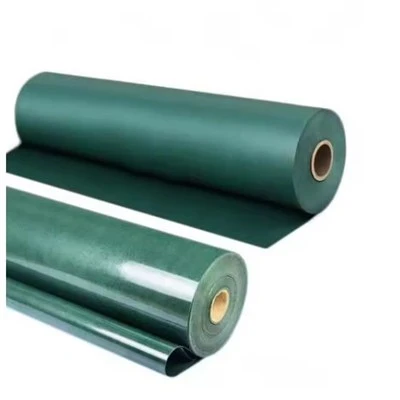
So, hopefully, this blog post has given you a better understanding of how the weave pattern of carbon fiber impacts its flexibility. It’s a complex but fascinating topic, and the right choice of weave can make all the difference in your final product.
Insulating Paper References
- "Carbon Fiber Composites: Design and Applications" by John Summerscales
- "Advanced Materials in Engineering" journal articles on carbon fiber properties
- Industry reports on carbon fiber use in aerospace, automotive, and sports industries.
Wenzhou Gisen Insulation Material Co., Ltd.
As one of the most professional carbon fiber flexibility manufacturers and suppliers in China, we’re featured by quality products and good service. Please rest assured to wholesale customized carbon fiber flexibility from our factory. Contact us for quotation and free sample.
Address: Diyan Industrial Zone, Wengyang Subdistrict, Yueqing City, Zhejiang Province
E-mail: gisen888@126.com
WebSite: https://www.giseninsulation.com/
