In the realm of materials science and industrial manufacturing, the problem of static electricity has long been a significant concern. Static electricity can not only cause discomfort and potential harm to human bodies but also lead to performance degradation of products, contamination of the production environment, and in extreme cases, even trigger fires or explosions in specific industries. To address these issues, antistatic additives have been developed and widely used. As an antistatic additives supplier, I’ve often been asked, "Are there any natural antistatic additives?" In this blog, I’ll delve into this question, exploring the existence, characteristics, and applications of natural antistatic additives. Antistatic Additives

The Need for Antistatic Additives
Before we dive into natural antistatic additives, it’s essential to understand why antistatic additives are necessary. Static electricity is generated when two different materials come into contact and then separate, causing an imbalance of electric charges on their surfaces. This phenomenon is common in numerous industries, such as electronics, textiles, plastics, and packaging.
In the electronics industry, static electricity can damage sensitive electronic components, leading to product malfunctions and reduced reliability. In the textile industry, static electricity can cause fabrics to cling to the body, attract dust, and even generate sparks during processing, which is a safety hazard. In the plastics and packaging industries, static electricity can cause packaging materials to stick together, making them difficult to handle, and also attract dust and debris, reducing the appearance and quality of products.
Antistatic additives work by either increasing the surface conductivity of materials or by creating a thin layer on the surface that can dissipate static charges. They can be classified into different types based on their chemical composition and mechanism of action, including ionic, non – ionic, and conductive polymer antistatic additives.
The Search for Natural Antistatic Additives
With the growing awareness of environmental protection and sustainable development, there is an increasing demand for natural and biodegradable alternatives in various industries. The same trend applies to the field of antistatic additives. Natural antistatic additives offer several advantages over their synthetic counterparts. They are generally considered more environmentally friendly, non – toxic, and biodegradable, which is in line with the requirements of green manufacturing and sustainable development.
Natural Polymers
One category of natural antistatic additives is natural polymers. Chitosan, for example, is a natural polysaccharide derived from chitin, which is abundant in the exoskeletons of crustaceans such as shrimps and crabs. Chitosan has excellent film – forming properties and can form a thin, continuous layer on the surface of materials. The amino groups in chitosan can adsorb moisture from the air, increasing the surface conductivity of the material and thus dissipating static charges.
Alginate is another natural polymer that can be used as an antistatic additive. It is extracted from brown seaweed and has a high affinity for water. When alginate is applied to the surface of a material, it can absorb moisture and form a conductive layer, effectively reducing static electricity.
Natural Oils and Waxes
Some natural oils and waxes also possess antistatic properties. For instance, jojoba oil is a liquid wax ester that is similar in composition to the natural sebum produced by human skin. It can form a thin, lubricating layer on the surface of materials, which helps to reduce friction and prevent the generation of static electricity. Beeswax is another natural wax that can be used as an antistatic agent. It can provide a protective coating on the surface of materials, reducing the build – up of static charges.
Plant Extracts
Certain plant extracts have been found to have antistatic effects. For example, extracts from aloe vera contain polysaccharides and other substances that can improve the moisture – holding capacity of materials and enhance surface conductivity. Some essential oils, such as lavender oil and lemon oil, also have potential antistatic properties. These plant extracts are not only natural and eco – friendly but also have additional benefits such as antibacterial and aromatic properties.
Applications of Natural Antistatic Additives
The applications of natural antistatic additives are diverse and span multiple industries.
Textile Industry
In the textile industry, natural antistatic additives can be used in two main ways. Firstly, they can be applied to the fabric through a post – treatment process. For example, chitosan – based antistatic agents can be used in a padding or spraying process to impart antistatic properties to textiles. Secondly, natural polymers can be incorporated into the spinning process of synthetic fibers. By blending natural polymers with synthetic polymers during fiber production, the resulting fibers can have inherent antistatic properties.
Packaging Industry
In the packaging industry, natural antistatic additives can be used to improve the performance of packaging materials. For example, natural oils and waxes can be coated on the surface of paper or cardboard packaging to prevent static electricity, which helps to reduce dust attraction and makes the packaging easier to handle. Additionally, biodegradable polymers with antistatic properties can be used to produce sustainable packaging materials, meeting the requirements of both environmental protection and functionality.
Electronics Industry
Although the electronics industry typically requires high – performance antistatic materials, natural antistatic additives can still find some applications. For example, in the production of some consumer electronics packaging, natural antistatic agents can be used to protect the products from static damage during transportation and storage. In some cases, natural polymers can also be used as a component of conductive composites in the manufacture of certain electronic devices, providing a certain degree of antistatic and conductive properties.
Challenges and Limitations of Natural Antistatic Additives
Despite their many advantages, natural antistatic additives also face several challenges and limitations.
Performance and Durability
Compared with some synthetic antistatic additives, natural antistatic additives may have relatively lower performance and durability. For example, the antistatic effect of natural polymers may be affected by environmental conditions such as humidity and temperature. In low – humidity environments, the moisture – adsorption ability of natural polymers may be reduced, resulting in a decrease in antistatic performance.
Compatibility
The compatibility of natural antistatic additives with different materials can also be a problem. Natural polymers and plant extracts may not be fully compatible with some synthetic polymers, which can lead to problems such as phase separation and reduced mechanical properties of the composite materials.
Production and Cost
The production of natural antistatic additives often depends on natural resources, and the extraction and purification processes can be complex and costly. In addition, the yield of natural products may be affected by factors such as season and region, which can lead to unstable supply and higher costs.
Conclusion and Call to Action
In conclusion, there are indeed natural antistatic additives, including natural polymers, natural oils and waxes, and plant extracts. These natural additives offer environmental and health – friendly alternatives to synthetic antistatic additives, and they have a wide range of applications in various industries. However, they also face challenges in terms of performance, compatibility, and cost.
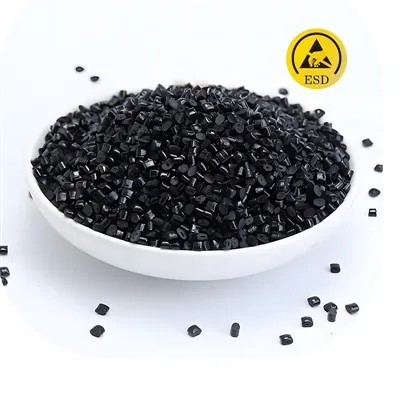
As an antistatic additives supplier, we recognize the importance of providing sustainable and high – performance solutions to our customers. We are constantly researching and developing new natural antistatic additives to overcome the existing limitations and meet the diverse needs of different industries.
Antistatic Additives If you’re interested in learning more about our natural antistatic additives or if you have specific requirements for antistatic solutions, please do not hesitate to contact us. We are more than willing to have in – depth discussions with you to understand your needs and provide you with the most suitable products and services. Let’s work together to create a more sustainable and static – free future.
References
- Chen, X., & Tang, X. (2017). Chitosan – based antistatic agents for textiles: A review. Carbohydrate Polymers, 169, 91 – 99.
- Silva, A. C., & Cunha, A. (2016). Natural polymers as potential antistatic agents for packaging applications. Journal of Polymers and the Environment, 24(1), 22 – 30.
- Raut, J. S., & Karuppayil, S. M. (2014). Antistatic properties of aloe vera – treated cotton fabric. Journal of Natural Fibers, 11(2), 158 – 165.
Jiangxi Sugo Advanced Materials Co., Ltd.
With abundant experience, we are one of the most professional antistatic additives manufacturers in China. Please feel free to buy high quality antistatic additives in stock here and get free sample from our factory. We also accept customized orders.
Address: 1st Fugong Rd, Futian Industrial Park, Dingnan, Ganzhou City, Jiangxi Prov., R.P.C 341900
E-mail: EILEEN@SUGOPLAS.COM
WebSite: https://www.sugo-esd.com/
