Hey there! If you’re reading this, chances are you’ve got a bottle of those handy dietary capsules on your kitchen counter, a closet shelf, or maybe even tucked next to your morning coffee maker – and you’re wondering, “Wait, am I storing these right?” Let me start by saying, I get it. When I was first starting out in the dietary capsule game, I was guilty of shoving a new bottle in my bathroom cabinet right after unboxing it. Spoiler alert: That’s one of the most common mistakes I still see customers making today. As someone who’s been supplying these little powerhouses for over 10 years, I’ve learned a thing or two about what works (and what definitely doesn’t) for keeping capsules fresh, potent, and safe to use. Today, I’m breaking down the real, no-BS rules for storing dietary capsules – no confusing jargon, just straight-up stuff you can actually put into practice. Dietary Capsules

First, let’s talk about why storage even matters. Capsules – whether they’re hard-shell (usually made from gelatin or plant-based stuff like hypromellose) or soft-gels (think those fish oil or turmeric ones) – aren’t just inert pills. They hold active ingredients like vitamins, probiotics, herbs, or supplements that can break down if exposed to the wrong conditions. For example, Vitamin C goes rancid fast in heat, probiotics die off in moisture, and omega-3s can become funky-tasting and ineffective if they’re left in a warm, humid spot. And here’s the kicker: if your capsules degrade, they’re not just useless – they might even be a waste of your money, and in some cases, could cause mild stomach upset if the active ingredients aren’t what they’re supposed to be. So proper storage isn’t just about keeping your supplements good; it’s about making sure you get every bit of value out of them.
Let’s start with the biggest no-no: the bathroom. I know, I know – most people’s bathroom cabinets are the only cool, dark spot near their daily routine. But here’s the thing: bathrooms are humid, especially after you shower or bathe. That steamy air hangs around, and when it seeps into your supplement bottle (even the “airtight” ones), it turns the inside of the bottle into a mini sauna for your capsules. What happens? Hard-shell capsules can get soft, sticky, or even clump together. Probiotics, which are live bacteria, will start to die off as soon as they absorb moisture – and if you’re buying a probiotic supplement for gut health, dead bacteria is basically just sugar or filler. Soft-gels? They might melt or stick to each other, making them impossible to pour out without tearing the bottle. I once had a customer send back a whole case of our plant-based capsules because they “melted in the bathroom” – turns out, she kept them in a cabinet above her toilet, right where the shower steam hits every single day. Lesson learned: unless you have a bathroom with zero humidity (like a super fancy powder room with a dehumidifier), skip the bathroom for supplements.
Next up, temperature. This is a big one I see people sleep on. The sweet spot for storing most dietary capsules is between 50°F and 77°F (that’s 10°C to 25°C, for my metric folks). Sounds pretty normal, right? So what’s too hot or too cold? Let’s break it down. Too hot: if you leave your capsules in your car during the summer, or on a windowsill that gets direct sunlight all afternoon, or next to a stove or dishwasher, that heat will speed up degradation big time. I’ve heard horror stories of supplements left in a gym bag during a hot day – by the time they got home, the soft-gels were one big solid block. On the flip side, too cold isn’t great either, for most capsules. Sticking them in the back of the freezer is unnecessary and can actually make some hard-shell capsules brittle, so they crumble when you try to open the bottle. The only exception I can think of is some sensitive probiotic capsules that list “refrigerate after opening” on the label – but that’s specific to those products, not every single capsule you buy.
Then there’s light. Direct sunlight or even bright artificial light (like from a kitchen overhead light) can break down certain active ingredients. For example, Vitamin D, riboflavin (B2), and turmeric curcumin are all light-sensitive. Think about it: if you leave a clear bottle of capsules on a sunny window, after a week, those pills might lose a chunk of their potency. That’s why at our supply facility, we package most capsules in amber or opaque bottles – not just for looks, but to block out light. But once you take them home, if you put that amber bottle back in the sun, it’s still going to let some light seep through. So dark spaces are non-negotiable here. A pantry shelf, a closet drawer, or a cabinet away from any windows – those are all perfect.
Now, let’s talk about handling the bottles themselves, because that’s part of storage too. A lot of people don’t realize that how you close your supplement bottle matters just as much as where you put it. Most capsule bottles come with child-resistant caps, but those are also designed to be airtight (or at least as airtight as possible for daily use). The key here is to always make sure the cap is screwed on tightly after every use. Even a tiny gap can let in moisture, light, or air – and air is another enemy, especially for omega-3s and other fatty supplements that can oxidize and go rancid. I recommend pouring only what you need for the day into a small pill organizer (that’s not near the bathroom, obviously) instead of opening the big bottle every time you take a capsule. That way, you’re exposing the whole bottle to air and moisture less often. Pro tip: if your capsules come in a plastic bag instead of a bottle (some bulk buyers go this route), transfer them to an airtight glass or plastic container right away – the bulk bags are usually not sealed well enough to keep out moisture.
Wait, what about bulk orders? A lot of our customers buy dietary capsules in bulk to save money, and I get that – it’s a smart move. But bulk storage has its own rules. If you’re buying a 6-month supply of capsules, don’t just leave them in the original bulk bag. As I mentioned earlier, transfer them to airtight, opaque containers, and make sure those containers are stored in a cool, dark, dry place. Also, label each container with the expiration date – it’s easy to forget when you bought a big batch, and you don’t want to accidentally take expired capsules. Fun fact: most capsules have a shelf life of about 2 years unopened, but once you open the bottle, that drops to about 1 year, depending on the ingredients. So if you’re a bulk buyer, keep that timeline in mind – don’t buy a 2-year supply unless you’re going to use it in that time.
Now, let’s talk about some specific types of capsules, because not all are created equal. Hard-shell gelatin capsules: these are the ones you probably think of when you hear “capsule” – they dissolve in your stomach. These are a bit more sensitive to moisture than plant-based ones, so they need extra dry storage. Plant-based hard-shell capsules (like the hypromellose ones we supply for vegan customers) are a bit more stable, but they still don’t love humidity. Soft-gels: these are the ones that hold liquid, like fish oil, evening primrose oil, or curcumin with black pepper. These are extra sensitive to heat, light, and air – so storing them in a cool, dark place is non-negotiable. Probiotics: as I mentioned earlier, most over-the-counter probiotics don’t need to be refrigerated unopened (we test our probiotic capsules to make sure they survive at room temp for the shelf life), but once you open the bottle, if you live in a super humid or hot climate, refrigerating them after opening can help keep the bacteria alive longer. Just make sure you let them come to room temp for 15 minutes before taking them – no one wants a cold capsule on an empty stomach, trust me.
I also want to bust a common myth I hear all the time: expiration dates are just suggestions. No, they’re not. The expiration date on your capsule bottle is the manufacturer’s guarantee of potency and safety. That means before that date, we (suppliers like me) can confirm that the active ingredients are at the stated amount, and the capsules are safe to take. After that date, those ingredients can break down, and there’s no way to know how potent they are. So don’t take expired capsules – it’s not worth the risk. If you’re not sure if your capsules are expired, check the bottle or your order confirmation (we always include expiration dates on every shipment) – if it’s past that date, toss it, or if you’re not sure, reach out to your supplier for clarification.
Let me also share a few quick, easy storage hacks that I swear by, after years of dealing with this stuff. First, use a silica gel packet? Wait, no – wait, don’t put the silica gel packets that come in new shoes or electronics into your supplement bottles. Those are labeled for non-food use, and even though they’re small, they’re a choking hazard if they break. But if you live in a super humid place, you can buy food-grade silica gel packets specifically for food storage – throw one in your supplement bottle (make sure it’s food-grade!) to absorb extra moisture. Second, label everything clearly – if you’re transferring capsules to a new container, write the name of the supplement, the date you opened it, and the expiration date. I’ve had customers mix up their vitamin D with their calcium, which is a silly but easy mistake to make. Third, avoid storing them near cleaning products or other strong-smelling stuff. Capsules can absorb odors, so if you have a bottle of fish oil next to a bottle of lemon-scented all-purpose cleaner, your fish oil might start tasting like lemon – not the worst thing, but definitely not what you paid for.
Wait, let’s circle back to why this all matters for you, the customer. At the end of the day, when you buy dietary capsules, you’re investing in your health. You shouldn’t have to throw away a whole bottle because you stored it wrong – that’s a waste of your hard-earned money, and more importantly, you’re not getting the benefits you paid for. I’ve had customers tell me that they started taking our capsules and noticed a difference, but when they switched to storing them in a better spot, they noticed an even bigger difference – because the potency was there, not degraded by bad storage. That’s what we want for you: every capsule you take is as fresh and effective as the day it left our facility.
If you’re someone who’s new to ordering dietary capsules, or if you have questions about storing a specific product, I’m here to help. As a supplier, we don’t just ship your order and disappear – we want to make sure your supplements work for you. Whether you need tips for storing bulk orders, want to know if a specific type of capsule needs special handling, or just have a question about anything related to dietary capsules, feel free to reach out to discuss your needs. We’re always here to help, no question is too small.
Before I wrap this up, let’s do a quick recap of all the key points so you don’t have to scroll back: 1. Skip the bathroom – it’s too humid. 2. Keep temp between 50°F and 77°F, no hot car or freezer unless specified. 3. Store in a dark spot, away from sunlight and bright lights. 4. Screw the cap tight every time, use a pill organizer for daily doses to reduce air exposure. 5. Transfer bulk capsules to airtight, opaque containers. 6. Check expiration dates, they’re not just a suggestion. 7. Specific supplements like soft-gels and probiotics need extra care, especially after opening.
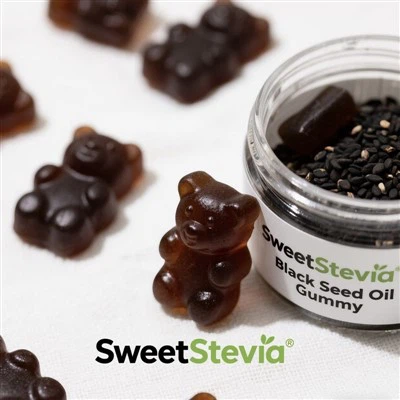
Storing dietary capsules isn’t rocket science, but it does take a little bit of intentionality. The best part is, once you find the perfect spot (I keep mine in a kitchen pantry shelf that’s away from the oven and any windows – works like a charm), it becomes a habit, not a chore. At the end of the day, we’re all in this to make sure you get the most out of your supplements, and proper storage is the first step to that. If you have more questions, or if you’re looking to order dietary capsules for personal use or bulk, don’t hesitate to connect with us. We’re here to support your health journey every step of the way.
Pure Brazzein Powder References: 1. National Center for Complementary and Integrative Health. (2022). Storage of Dietary Supplements. NIH Publication No. 22-DEC-001. 2. U.S. Food and Drug Administration. (2021). Good Manufacturing Practices for Dietary Supplements. 21 CFR Part 111. 3. American Botanical Council. (2020). Stability and Storage of Herbal Dietary Supplements. HerbalGram, 128, 62-67.
Jining Renewal & Joint International Co., Ltd.
Jining Renewal & Joint International Co., Ltd. is one of the most professional dietary capsules manufacturers and suppliers in China, specialized in providing high quality customized products. Be free to buy dietary capsules made in China here and get free sample from our factory. For price consultation, contact us.
Address: 708 Xingtang Jinmao Tower No.123 GuangHe Rd,Jining Shandong China
E-mail: naturalstevia@aliyun.com
WebSite: https://www.enjoystevia.com/
