ULD, or Unit Load Device, is a crucial component in the air cargo industry. As a ULD supplier, I’ve witnessed firsthand the importance of proper installation for ensuring the safety and efficiency of air freight operations. In this blog, I’ll share a comprehensive guide on how to install ULDs, drawing from my experience in the field. ULD

Pre – installation Preparations
Before starting the installation process, it’s essential to conduct a series of preparatory steps. First and foremost, thoroughly inspect the ULD. Check for any visible damage such as dents, cracks, or loose parts. A damaged ULD can pose significant risks during flight, including potential structural failure and cargo damage.
Measure the dimensions of the ULD to ensure it is compatible with the aircraft’s cargo hold. Different aircraft models have specific requirements for ULD size and shape. Incorrectly sized ULDs may not fit properly, leading to inefficient use of space and potential safety hazards.
Gather all the necessary tools for installation. These typically include wrenches, screwdrivers, and safety equipment such as gloves and safety glasses. Having the right tools on hand will streamline the installation process and prevent delays.
Installation Steps
Step 1: Positioning the ULD
Carefully position the ULD in the designated area of the aircraft’s cargo hold. This should be done with the help of appropriate handling equipment, such as forklifts or pallet jacks. Ensure that the ULD is aligned correctly with the aircraft’s cargo floor guides. These guides are designed to ensure proper placement and stability of the ULD during flight.
Step 2: Securing the ULD
Once the ULD is in position, it needs to be securely fastened to the aircraft’s cargo floor. Most ULDs are equipped with locking mechanisms that engage with the floor fittings. Use the appropriate tools to tighten the locks and ensure a firm connection.
For larger ULDs, additional tie – downs may be required. These tie – downs help to prevent movement and shifting of the ULD during flight. Make sure the tie – downs are properly tensioned and attached to the designated anchor points on the aircraft’s cargo floor.
Step 3: Checking the Installation
After securing the ULD, conduct a thorough check to ensure that it is properly installed. Inspect the locking mechanisms to make sure they are fully engaged and functioning correctly. Check the tie – downs for any signs of looseness or damage.
Verify that the ULD is level and balanced. An unbalanced ULD can cause uneven stress on the aircraft’s structure and affect its flight performance. Use a spirit level to check the ULD’s alignment and make any necessary adjustments.
Special Considerations
In some cases, ULDs may need to be installed in a multi – tiered configuration. When installing multiple ULDs on top of each other, it’s crucial to ensure that the lower ULDs can support the weight of the upper ones. Follow the manufacturer’s guidelines for stacking ULDs and use appropriate spacers or supports to maintain stability.
If the ULD contains hazardous materials, additional safety precautions must be taken. Ensure that the ULD is properly labeled and that all regulatory requirements for transporting hazardous materials are met. This may include using specialized ULDs designed for hazardous cargo and following specific handling procedures.
Maintenance and Inspection after Installation
After the ULD is installed, regular maintenance and inspection are essential. Check the ULD and its locking mechanisms before each flight to ensure they are in good working condition. Look for any signs of wear or damage, such as rust, corrosion, or loose parts.
Keep a record of all maintenance and inspection activities. This documentation can be useful for regulatory compliance and for tracking the history of the ULD’s performance.
Troubleshooting
If you encounter any issues during the installation process, such as difficulty engaging the locking mechanisms or misalignment of the ULD, don’t panic. First, refer to the ULD’s installation manual. These manuals provide detailed instructions and troubleshooting tips.
If the problem persists, contact the ULD manufacturer or a qualified technician. They can provide further guidance and assistance to resolve the issue.
Conclusion
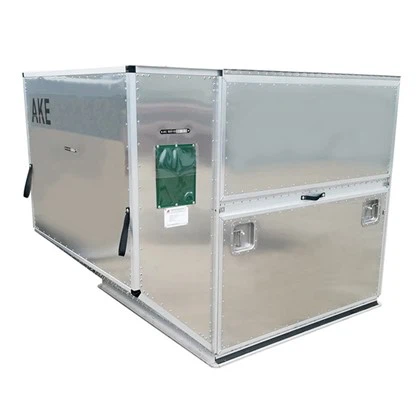
Proper installation of ULDs is vital for the safe and efficient operation of air cargo. By following the steps outlined in this guide, you can ensure that ULDs are installed correctly and securely. As a ULD supplier, I’m committed to providing high – quality ULDs and supporting our customers in the installation process.
Air Cargo Container If you’re in the market for ULDs or need further advice on installation and maintenance, I encourage you to reach out to us. Our team of experts is ready to assist you with all your ULD needs. Whether you’re a small – scale freight operator or a large – scale airline, we have the right ULD solutions for you. Contact us today to discuss your requirements and explore how we can help you optimize your air cargo operations.
References
- International Air Transport Association (IATA) Cargo Regulations
- Manufacturer’s Installation Manuals for ULDs
Wuxi Aviation Ground Equipment Co., Ltd.
Wuxi Aviation Ground Equipment Co., Ltd. is well-known as one of the leading uld manufacturers and suppliers in China. Please rest assured to buy or wholesale discount uld for sale here from our factory. For price consultation, contact us.
Address: No.18 Dingxiang East Road, Hudai Town, Binhu District, Wuxi, Jiangsu, P.R. China
E-mail: sales@wxagecl.com
WebSite: https://www.wxagecl.com/
