Hey there! I’m a supplier of electric wires, and I know how crucial it is to keep those wires safe from water immersion. Water and electricity are a really bad combination, and if you don’t protect your electric wires from getting wet, you’re looking at some serious problems. It could lead to short – circuits, corrosion, and even electrical fires. So in this blog, I’m gonna share some tips on how you can protect your electric wires from water. Electric Wire
First off, understand the risks
Before we jump into the protection methods, it’s important to know why water and electric wires don’t mix. When water gets onto an electric wire, it can act as a conductor. This means that the electricity can flow where it’s not supposed to, which can cause a short – circuit. Short – circuits can not only damage your electrical equipment but also pose a huge safety risk.
Corrosion is another big issue. Water contains various chemicals and minerals that can react with the metal in the wires. Over time, this reaction causes the wires to corrode, which weakens them and can eventually lead to wire breakage. And once the wire breaks, well, your electrical system is gonna stop working, and you’ll have a costly repair on your hands.
Select the right wires
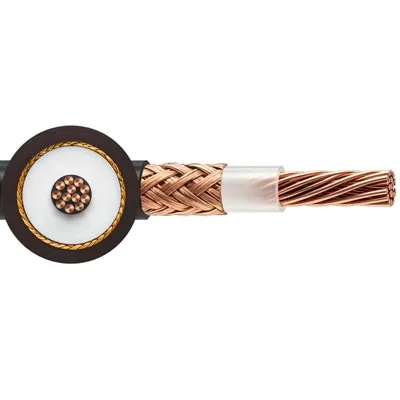
The first step in protecting your electric wires from water is to start with the right kind of wires. There are special types of wires designed to be more resistant to water. For example, some wires come with a waterproof outer coating. This coating acts as a barrier, preventing water from seeping into the inner conductor of the wire.
When you’re out there looking for wires, check the product specifications. The manufacturer should clearly state if the wire is waterproof or water – resistant. Don’t just go for the cheapest option; make sure you get a wire that’s suitable for the environment it’ll be in. If it’s going to be in a place where there’s a high chance of water exposure, like outdoors or in a basement that floods easily, you’ll need a wire with a high – quality waterproof coating.
Use proper insulation
Insulation is key to protecting your electric wires from water. Good insulation not only keeps the electricity flowing in the right direction but also stops water from getting to the wire core.
There are different types of insulation materials available. Some common ones include PVC (polyvinyl chloride) and rubber. PVC is a popular choice because it’s relatively cheap and offers good insulation properties. Rubber, on the other hand, is more flexible and can be a better option for applications where the wire needs to bend a lot.
Make sure the insulation on your wires is not damaged. Even a small crack can allow water to get in. When you’re installing the wires, be careful not to scrape or cut the insulation. And if you notice any signs of damage later on, like a frayed spot, you need to repair or replace that section of the wire right away.
Install wire conduits
Wire conduits are another great way to protect your electric wires from water. A conduit is a tube that you can run your wires through. It provides an extra layer of protection, shielding the wires from direct contact with water.
There are different materials for wire conduits, such as metal and plastic. Metal conduits are very durable and can offer good protection against physical damage as well as water. Plastic conduits, on the other hand, are lightweight and easy to install. They’re also corrosion – resistant, which is a big plus.
When you’re installing the conduit, make sure it’s properly sealed. You don’t want water to be able to get into the conduit through the joints. Use sealants or gaskets at the connections to keep the water out. And remember to slope the conduit so that any water that does get in can drain out easily.
Seal all entry points
Water can find its way into your wiring system through small entry points. That’s why it’s important to seal all these points. This includes places where the wires enter a building, through walls, floors, or ceilings.
You can use a variety of sealants for this purpose, like silicone caulk or expanding foam. These are great at filling in small gaps and preventing water from seeping in. Make sure to apply the sealant properly, pressing it into the gap to create a tight seal.
Also, pay attention to junction boxes. Junction boxes are where the wires are connected, and they can be a weak point in your wiring system. If water gets into a junction box, it can cause all sorts of problems. Make sure the junction boxes are sealed tightly. You can use a rubber gasket or a special sealant designed for junction boxes.
Elevate the wires
If possible, try to elevate your electric wires. Keeping the wires off the ground or away from areas where water tends to collect is a simple but effective way to protect them from water immersion.
For outdoor wiring, you can use poles or brackets to keep the wires at a higher level. In a basement or a crawl space, you can mount the wires on the ceiling or high on the walls. This reduces the risk of the wires getting submerged if there’s a flood or water leakage.
Regular inspections
Even if you’ve taken all the necessary precautions to protect your electric wires from water, it’s still important to do regular inspections. Check the wires, the insulation, the conduits, and the seals on a regular basis.
Look for signs of water damage, like discoloration, corrosion, or a change in the texture of the insulation. If you see any of these signs, it could mean that water has gotten to the wires, and you need to take action.
It’s also a good idea to check the seals around entry points and junction boxes. Over time, the sealants can dry out and crack, so you may need to re – apply them.
What to do if you suspect water damage
If you suspect that your electric wires have been damaged by water, it’s important to take immediate action. First of all, turn off the power to that part of the electrical system. This is crucial for your safety.
Then, carefully inspect the wires. If there’s any visible damage, you’ll likely need to replace the affected section of the wire. Make sure to use the same type of wire as the original to ensure proper functioning.
If the damage is more extensive or if you’re not sure what to do, it’s best to call in a professional electrician. They have the knowledge and tools to assess the situation and make the necessary repairs.
So there you have it, folks! These are some of the main ways to protect your electric wires from water immersion. As an electric wire supplier, I can tell you that taking these steps will not only extend the life of your wires but also keep your electrical system safe and reliable.
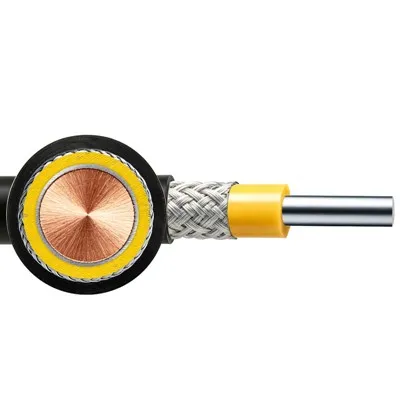
If you’re in the market for high – quality electric wires or have any questions about wire protection, don’t hesitate to reach out and get in touch with me to discuss your procurement needs. We’ve got a wide range of wires and can offer expert advice to help you find the best solution for your situation.
Cable Assemblies & Accessories References:
- Electrical Wiring Handbook, 19th Edition by Ray C. Mullin
- National Electrical Code® 2023 Handbook
Yangzhou Huayu Cable Co., Ltd.
Yangzhou Huayu Cable Co., Ltd. is one of the most professional electric wire manufacturers and suppliers in China, also supports customized service with low price. Please feel free to wholesale advanced electric wire made in China here from our factory. Contact us for pricelist.
Address: No. 9 Jingang Road, Yangzhou City, Jiangsu Province, China
E-mail: huayucableco@126.com
WebSite: https://www.huayucabletech.com/
