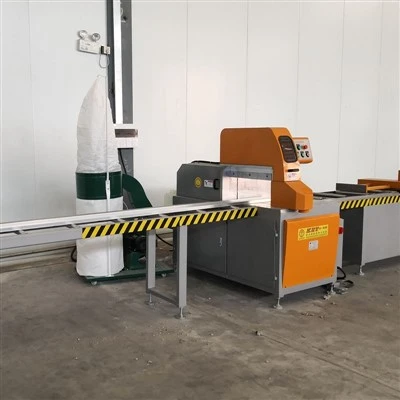
As a reputable supplier of busbar inspection machines, I often receive inquiries from customers about the versatility of our products, especially when it comes to inspecting busbars made of different materials. Busbars are crucial components in electrical power distribution systems, and their reliability directly impacts the safety and efficiency of the entire system. Therefore, the ability to accurately inspect busbars made of various materials is a significant concern for many industries. Busbar Inspection Machine
Understanding Busbar Materials
Busbars can be made from a variety of materials, each with its own unique properties and applications. The most common materials used for busbars include copper, aluminum, and steel, although other materials such as brass and silver may also be used in specific applications.
Copper Busbars
Copper is one of the most widely used materials for busbars due to its excellent electrical conductivity, high thermal conductivity, and good corrosion resistance. Copper busbars are commonly used in high – power applications where low resistance and efficient heat dissipation are required, such as in power generation plants, substations, and large industrial facilities.
Aluminum Busbars
Aluminum is another popular material for busbars, primarily because of its lower cost and lighter weight compared to copper. While aluminum has lower electrical conductivity than copper, it can still provide adequate performance in many applications. Aluminum busbars are commonly used in medium – power applications, such as in commercial buildings and data centers.
Steel Busbars
Steel busbars are typically used in applications where mechanical strength is more important than electrical conductivity. They are often used in low – voltage applications or as structural supports in electrical installations. Steel busbars have poor electrical conductivity compared to copper and aluminum, but they offer high strength and durability.
Challenges in Inspecting Different Materials
Inspecting busbars made of different materials presents several challenges. Different materials have different physical and chemical properties, which can affect the inspection process.
Electrical Conductivity
The electrical conductivity of a busbar material affects the way electrical signals propagate through the busbar during inspection. For example, copper has a higher electrical conductivity than aluminum, which means that electrical signals will travel more easily through copper busbars. This difference in conductivity can impact the detection of defects such as cracks, voids, and poor connections.
Thermal Properties
The thermal properties of busbar materials also play a role in the inspection process. Different materials have different coefficients of thermal expansion, which can cause stress and deformation in the busbar during operation. This can lead to the development of cracks and other defects over time. Inspecting for these thermally – induced defects requires specialized techniques that take into account the thermal properties of the material.
Surface Finish
The surface finish of busbar materials can affect the accuracy of inspection results. For example, a rough surface can cause scattering of inspection signals, leading to false positives or missed defects. Different materials may require different surface preparation techniques to ensure accurate inspection.
Our Busbar Inspection Machines: A Solution for Different Materials
Our busbar inspection machines are designed to overcome these challenges and provide accurate and reliable inspection results for busbars made of different materials.
Multi – Modal Inspection Techniques
Our machines utilize a combination of multi – modal inspection techniques, including ultrasonic testing, eddy current testing, and visual inspection. Ultrasonic testing is highly effective for detecting internal defects such as cracks and voids in both copper and aluminum busbars. Eddy current testing can be used to detect surface and near – surface defects, and it can be adjusted to accommodate the different electrical conductivity of various materials. Visual inspection is also essential for detecting obvious surface defects and irregularities.
Adaptive Algorithms
To ensure accurate inspection results for different materials, our machines are equipped with adaptive algorithms. These algorithms can automatically adjust the inspection parameters based on the properties of the material being inspected. For example, when inspecting an aluminum busbar, the machine can adjust the eddy – current frequency to compensate for the lower electrical conductivity of aluminum compared to copper.
Customizable Settings
We understand that different customers may have different inspection requirements depending on the type of material and the application. That’s why our busbar inspection machines offer customizable settings. Customers can adjust the inspection speed, sensitivity, and other parameters to suit their specific needs.
Case Studies
To illustrate the effectiveness of our busbar inspection machines in inspecting different materials, let’s take a look at some real – world case studies.
Case Study 1: Copper Busbars in a Power Plant
A large power plant was experiencing issues with its copper busbars. They suspected the presence of internal cracks due to the high – temperature and high – stress environment in which the busbars were operating. Our inspection machine was used to perform a comprehensive inspection of the copper busbars. Using ultrasonic testing, we were able to detect several internal cracks that were not visible to the naked eye. By identifying these defects early, the power plant was able to take corrective action before a major failure occurred, saving significant costs in terms of downtime and equipment replacement.
Case Study 2: Aluminum Busbars in a Data Center
A data center was concerned about the reliability of its aluminum busbars. They wanted to ensure that there were no surface or near – surface defects that could cause electrical failures. Our machine was used to perform eddy – current testing on the aluminum busbars. The adaptive algorithms in the machine adjusted the inspection parameters to account for the lower electrical conductivity of aluminum. As a result, we were able to detect several small surface cracks that would have been difficult to detect using traditional inspection methods.
Case Study 3: Steel Busbars in a Low – Voltage Installation
A manufacturing facility had a low – voltage electrical installation that used steel busbars for structural support. The facility wanted to ensure that the steel busbars were free from any defects that could compromise their mechanical integrity. Our machine was used to perform visual and ultrasonic inspection on the steel busbars. The machine was able to detect small weld defects that could potentially lead to structural failure over time.
Conclusion
In conclusion, our busbar inspection machines are fully capable of inspecting busbars made of different materials. Through the use of multi – modal inspection techniques, adaptive algorithms, and customizable settings, we can provide accurate and reliable inspection results for copper, aluminum, steel, and other materials. Whether you are in the power generation, commercial building, or manufacturing industry, our machines can help you ensure the safety and reliability of your busbar systems.
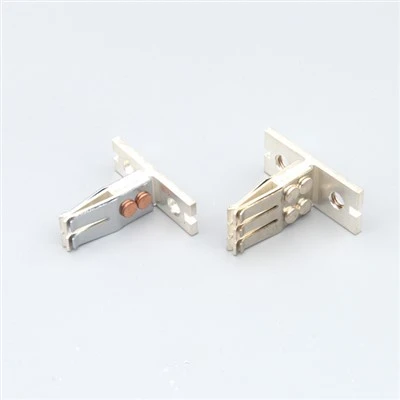
If you are interested in learning more about our busbar inspection machines or would like to discuss your specific inspection needs, please feel free to contact us. We look forward to the opportunity to work with you and help you find the best solution for your busbar inspection requirements.
Busbar Joint Accessories References
- "Electrical Conductivity of Metals and Alloys", ASTM International Handbook
- "Non – Destructive Testing Techniques for Electrical Components", ASNT (American Society for Nondestructive Testing) Publications
- "Busbar Design and Installation Guide", IEEE Standards Association
Suzhou Kiande Electric Co., Ltd.
Suzhou Kiande Electric Co., Ltd. is one of the most professional busbar inspection machine manufacturers and suppliers in China, also supports custom service and OEM&ODM service. Welcome to buy durable busbar inspection machine made in China here and get quotation from our factory. Quality products and reasonable price are available.
Address: No.123, Suzhou Avenue East, Suzhou Industrial Park Suzhou, Jiangsu 215000 China
E-mail: saleswmkc@kiande.cn
WebSite: https://www.busbarcncmachine.com/
