Hey guys, let’s cut to the chase—if you’re running a facility that stores cryogenic liquids (think liquid nitrogen, argon, oxygen, or LNG), you already know these tanks are workhorses for everything from medical labs to manufacturing plants. But here’s the thing most people don’t talk about enough: the environmental protection measures around your cryo tank aren’t just a box to check for compliance—they’re non-negotiable for keeping your site safe, keeping emissions low, and avoiding costly headaches. As a cryo tank supplier, I’ve worked with tons of operators who either skipped these steps and paid the price, or nailed them and saved themselves months of downtime. Today, I’m breaking down exactly what you need to get right around that tank. Cryogenic Liquid Storage Tank
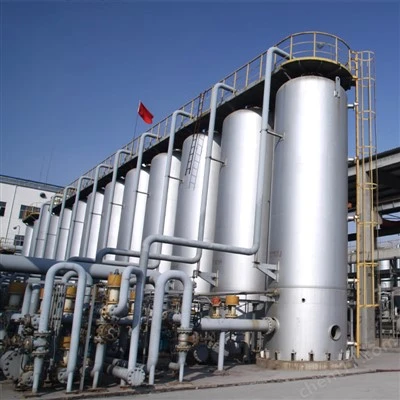
First, let’s start with the basics you can’t ignore: pressure and venting systems. Cryogenic liquids turn to gas super fast when they warm up, right? Even a tiny amount of heat leak into the tank’s insulation makes liquid boil, building pressure inside. If that pressure isn’t released, you’ve got a catastrophic failure on your hands—think a tank rupturing or releasing a huge plume of gas. But here’s the environmental angle most folks miss: those vents aren’t just for safety, they’re for keeping harmful (or even just wasted) gases from leaking into the atmosphere. Wait, but not all venting is created equal. For example, if you’re storing LNG (liquefied natural gas), its vapor is methane—potent greenhouse gas. So a basic pressure relief valve (PRV) that just blasts methane into the air is bad. That’s why we spec vent gas recovery systems for most clients, especially those in industrial or commercial settings. These systems capture the vented gas, route it back to your plant’s process lines, or burn it safely in a flare if it’s not usable. Yeah, it adds a little upfront cost, but the EPA will love you, and you’re not throwing dollars out the stack. For smaller tanks, like those at a medical clinic or a research lab, PRVs with tall vent stacks that direct vapor high up (away from people, low-lying areas, and nearby equipment) are the minimum, but I always advise adding a vent filter to cut down on any residual particulate that might come through.
Next up: secondary containment. This is the part that stops a spill from turning into an environmental disaster. Cryo spills are tricky—they evaporate in minutes, but when they do, they displace oxygen in confined spaces, which is a huge safety risk, but also, if they spill on soil, certain liquids (like liquid oxygen) can mess with vegetation, or even make chemicals in the soil more reactive. Secondary containment for cryo tanks isn’t just a dike you pour concrete around the tank—wait, no, it is part of it, but it has to be engineered right. First, the dike needs to hold at least 110% of the tank’s total volume, per OSHA and EPA rules. But it can’t be solid concrete 100% of the time, because if you do get a spill, that cold liquid will condense water from the air, making the concrete slippery and even cracking it over time. That’s why we recommend permeable dikes for most sites—made of crushed stone or gravel that lets air flow, so the spill evaporates fast, instead of pooling. Also, you need a way to detect a spill, right? Thermal sensors around the tank base that trigger an alarm if temperatures drop suddenly (which is a dead giveaway a cryo liquid is leaking). And don’t forget: secondary containment isn’t just around the main tank. If you have transfer lines running from the tank to a use point, those need containment trays too—no one wants a leak in a line to go undetected for hours. I’ve had a client who skipped the line containment, and a small liquid nitrogen leak sat under a tool cart for three days, and by the time they found it, it had killed the grass in a 10-foot radius and made the whole workspace too oxygen-poor to work in for a day. Total disaster that would’ve been avoided with a $200 containment tray.
Then there’s insulation integrity. Wait, insulation—isn’t that just to keep the liquid cold? Yeah, but it’s also a big part of environmental protection. If your tank’s insulation is damaged, you get more boil-off, which means more vented gas (that’s wasted and bad for emissions), and also, the cold surface of the tank can frost over, which is a slip hazard, but also, if that frost melts and runs off into nearby water sources, it can change the pH of the water temporarily, harming aquatic life. So how do you protect the insulation? First, the tank needs a vapor barrier on top of the insulation—most of the time, that’s a smooth, weather-resistant coating that’s impermeable to moisture. Because moisture getting into the insulation turns it into a insulator with way worse performance, leading to more boil-off, as I said. Also, if your tank is outdoors, make sure it’s elevated a little off the ground—like 6 inches to a foot—so water doesn’t pool around the base, seep into the insulation, or corrode the tank’s exterior. Oh, and regular inspections—if you see any rust spots, peeling coating, or frost that doesn’t melt when the sun comes up, that’s a red flag. We send our clients a free inspection checklist every quarter, because catching insulation damage early is way cheaper than replacing insulation or dealing with an emissions fine later.
Wait, let’s talk about gas monitoring too—this is something a lot of operators sleep on, but it’s tied straight to environmental compliance. For tanks storing oxygen or nitrogen, you need to monitor not just for leaks, but for oxygen displacement in the area around the tank. Because if nitrogen leaks, it doesn’t have a smell, and if it builds up, it can asphyxiate people, but also, if that nitrogen vapor is released into the atmosphere in high concentrations, it’s contributing to air quality issues? Wait, no, nitrogen is 78% of our air, but wait—wait, for cryogenic oxygen, a leak releases pure oxygen, which is a fire hazard, but also, when pure oxygen is vented, it can react with organic materials nearby, making them more flammable, which is an environmental and safety risk. So gas monitors should be placed 2 to 3 feet off the ground (since cold vapors sink, right? Liquid nitrogen vapor is denser than air, so it pools low) around the tank perimeter, especially in low-lying areas like ditches or crawl spaces near the tank. For LNG tanks, methane monitors are non-negotiable, because methane is a flammable gas and a super potent greenhouse gas—way worse than CO2 over 20 years. And these monitors need to be calibrated monthly, per NFPA 50A rules (that’s the standard for cryogenic storage, for those who don’t know). I always tell clients, don’t skimp on monitors—we’ve had clients who had a monitor that was out of calibration and didn’t catch a methane leak for two days, and by then, a nearby field had a small fire that took out a section of grass and a fence. No injuries, but the EPA fined them $12k for unreported emissions. That’s a lot more than the cost of a good monitor.
Also, runoff management—this is the part that ties everything together for environmental protection around the tank. When it rains, or when you get melting frost from the tank, water runs off the site. If that runoff picks up any spilled cryo liquid, or any chemicals that might be on the tank (like cleaning agents), you don’t want that going into local streams or groundwater. So you need a drainage system that directs runoff away from the tank, and has a collection point where you can test it before it’s released. For example, if you have a liquid oxygen tank, any runoff that has residual oxygen can make fertilizers or other chemicals in the soil reactive, so collecting that runoff and testing it before letting it go is required in most states. Also, for sites near bodies of water, you might need a spill containment berm that’s connected to a sump pump, so if there’s a spill or a large amount of runoff, it gets pumped to a treatment area, not into a river. I had a client in Florida who skipped the runoff management, and a rainstorm washed a small amount of spilled LNG into a nearby pond. The pond’s fish started dying because the methane displaced oxygen in the water, and the state’s environmental agency made them pay $50k in fines and do a full pond cleanup. That’s avoidable.
Wait, hold on—let’s not forget about compliance stuff. All these measures aren’t just best practices, they’re regulated. The main standards you need to follow are OSHA 1910.119 (Process Safety Management) for high-pressure cryo tanks, NFPA 50 (Standard for the Storage and Handling of Cryogenic Liquids), and EPA rules for air emissions and spill prevention. A lot of new operators think these are only for big chemical plants, but no—if your tank holds more than 1,000 gallons of liquid oxygen or 10,000 gallons of liquid nitrogen, you have to follow these rules. And getting fined for non-compliance isn’t cheap—last year I saw a small manufacturing plant get a $75k EPA fine because their vent system was venting unprocessed methane, and their secondary containment was only holding 80% of the tank volume. That’s money that could’ve been spent on expanding operations, not paying fines.
Now, as a cryo tank supplier, here’s what I do for my clients to make this easier. I don’t just sell you a tank and dip. I work with you to design the vent system, secondary containment, and monitoring setup that fits your specific needs—whether you’re a small research lab with a 500-gallon liquid nitrogen tank or a big industrial plant with a 50,000-gallon LNG tank. I also provide training for your team on how to inspect these systems, what to look for, and how to respond if there’s a leak or a spill. Because even the best system is useless if your team doesn’t know how to use it.
Wait, let’s be real—sometimes you’re in a pinch, you need to get a tank installed fast, and you might be tempted to cut corners on the environmental stuff. Trust me, I’ve seen that, and it never ends well. One client I worked with tried to skip the vent gas recovery system for a liquid argon tank because it was $3k cheaper, and within six months, they got two emissions violations, plus their boil-off rate jumped 20% because they had to replace a faulty PRV that was releasing too much gas. They ended up spending $10k to fix it, plus the fines. So the upfront cost of these measures is way less than the long-term costs of skipping them.
So to wrap this up, the non-negotiable requirements are: 1) Engineered vent and pressure systems that prevent overpressure and minimize harmful emissions (no just venting straight to the air if you can help it). 2) Secondary containment that holds 110% of tank volume, with spill detection and permeable materials to avoid long-term damage. 3) Well-maintained insulation with vapor barriers to cut boil-off and prevent runoff issues. 4) Regularly calibrated gas monitoring systems to catch leaks before they become disasters. 5) Proper runoff management to keep spills from getting into the environment. And don’t forget to follow all the relevant safety and environmental standards from OSHA, NFPA, and EPA.

If you’re in the market for a new cryo tank, or you need to upgrade the environmental protection around your existing one, hit me up—we can walk through your site, figure out exactly what you need, and make sure you’re compliant and safe. No pushy sales stuff, just honest advice based on years of working with cryo systems.
Compressor And Expander References:
- NFPA 50, Standard for the Storage and Handling of Cryogenic Liquids
- OSHA 1910.119, Process Safety Management of Highly Hazardous Chemicals
- U.S. Environmental Protection Agency, Spill Prevention, Control, and Countermeasure (SPCC) Rule
- Cryogenic Society of America, Safety Guidelines for Cryogenic Liquid Storage and Handling
Xinxiang Jiale Intelligent Equipment Co., Ltd.
As one of the most professional cryogenic liquid storage tank manufacturers and suppliers in China, we’re featured by quality products and good service. Please rest assured to buy durable cryogenic liquid storage tank for sale here from our factory. We also accept customized orders.
Address: No.3913, 9th Floor, Unit 3, East Commercial and Office Complex, Baolong City Plaza, Hongqi District, Xinxiang City, Henan Province, China
E-mail: cc2397410@gmail.com
WebSite: https://www.jiale-asu.com/
