If you’ve ever taken a bite of a ripe, juicy apple, enjoyed a smooth glass of apple juice on a hot morning, or grabbed a quick energy bar to get you through a busy workday, you’ve interacted with catalysts in the food industry—even if you didn’t realize it. As a catalyst supplier, I spend most of my days talking to food and beverage manufacturers who think catalysts are just for refineries or chemical labs. That’s a common misconception, and I’m here to change it: catalysts are the unsung heroes of modern food production, quietly improving safety, efficiency, shelf life, and taste in nearly every step of the food supply chain. Let’s break down how these workhorses shape the food we eat, why they matter more than you think, and how partnering with the right catalyst supplier can take your operations to the next level. Catalyst

I first realized the scale of food industry catalyst applications a few years back when I was meeting with a mid-sized juice producer in the Pacific Northwest. They were struggling with a constant problem: their apple juice had a short shelf life, turning brown and sour within a week of opening. They tried everything—pasteurization tweaks, new packaging, even adding preservatives—but nothing stuck without ruining the fresh taste customers loved. When I mentioned our enzyme-based glucose oxidase catalyst, their eyes lit up. That catalyst, when added to juice in tiny, regulated amounts, converts glucose and oxygen into gluconic acid and hydrogen peroxide. The hydrogen peroxide works gently to break down the polyphenol oxidase enzymes that cause browning, while gluconic acid keeps the pH stable so harmful bacteria can’t grow. The result? Their juice stayed fresh for six weeks unopened, no artificial preservatives, and the natural apple flavor stayed front and center. That moment drove home a truth I now repeat to every new client: catalysts don’t just improve products—they solve real, costly headaches that keep food manufacturers up at night.
One of the most widespread uses of catalysts in food production is in processing and refining edible oils. If you’ve ever cooked with canola oil, used margarine in your toast, or grabbed a snack with palm oil, you’ve benefited from hydrogenation—a reaction that relies heavily on specialized catalysts. Hydrogenation turns liquid unsaturated fats into solid or semi-solid fats by adding hydrogen atoms to fat molecules, which extends shelf life and improves texture. Traditional hydrogenation used nickel as a catalyst, but nickel posed a risk: trace amounts of the metal could end up in the final product, raising concerns for health and taste. Modern palladium and platinum-based heterogeneous catalysts changed that. These catalysts are far more selective, meaning they drive the hydrogenation reaction without leaving residual metal in the oil. They also work at lower temperatures and pressures, cutting energy use by up to 20% for many producers and reducing overall production costs.
But edible oil processing doesn’t stop at hydrogenation. Refining crude oil (the raw, unprocessed oil from seeds or nuts) requires degumming, deodorization, and bleaching—steps where catalysts play a critical role. For example, acid catalysts like sulfuric acid are used to remove gums and free fatty acids from crude oil, while alkaline catalysts help neutralize excess acids. Zeolite catalysts, porous materials with tiny, uniform pores, are used in the deodorization step to break down volatile compounds that cause off-flavors. The result? Oils that are clear, neutral-tasting, stable, and safe for consumption, whether they’re being used for frying, baking, or as an ingredient in packaged foods. Many of our clients in the oil refining space tell us that switching to tailored zeolite catalysts cut their oil waste by 15% because less good fat was being lost during processing—directly boosting their bottom line.
Another area where catalysts make a huge impact is in sugar production and processing. Table sugar, high-fructose corn syrup, and the sweeteners in most processed foods all rely on isomerization reactions, which convert glucose (a less sweet sugar) into fructose (a much sweeter one). That reaction uses glucose isomerase, an enzyme catalyst produced by specific strains of bacteria. Without this catalyst, producing high-fructose corn syrup (HFCS) would be far too expensive and energy-intensive, requiring extreme temperatures and pressures that would damage the sugar’s structure. Glucose isomerase works at mild, controlled conditions, turning up to 45% of glucose into fructose in a single pass. For food manufacturers, that means lower production costs for sweeteners, and for consumers, it means the sweet taste they expect in sodas, baked goods, and cereals without the need for excessive sugar.
What many people don’t know is that catalyst technology in sugar production has evolved a lot in recent years, driven by demand for cleaner, more sustainable ingredients. Traditional glucose isomerase catalysts were non-recyclable, leaving behind waste that had to be disposed of. New immobilized enzyme catalysts, which are attached to a solid support material, can be reused for up to 100 production cycles. That cuts waste by 90% and reduces the energy needed to make fresh catalyst every time. We’ve worked with a global sweetener brand that switched to our immobilized glucose isomerase and saw a 25% reduction in their process waste, while also improving the consistency of their HFCS batch to batch. That’s the kind of win-win that makes catalyst work so rewarding.
Catalysts are also playing a key role in food safety, a priority that’s never been higher for food producers and regulators around the world. One of the most exciting applications here is in food packaging, where catalysts help produce safe, food-grade plastics that don’t leach harmful chemicals. Polyethylene terephthalate (PET), the plastic used for water bottles, juice containers, and food trays, is made through a condensation polymerization reaction that uses antimony catalysts. For years, there were concerns about trace antimony leaching into food and drinks, especially in acidic products like soda. New titanium dioxide-based catalysts offer a non-toxic alternative, with the same high activity as antimony but no risk of harmful residues. The FDA and EU food safety agencies have approved these catalysts for food contact use, and more and more major beverage brands are switching to titanium-catalyzed PET packaging to meet consumer demand for safer products.
Another safety-focused use of catalysts is in food waste reduction. Around one-third of all food produced globally is wasted, much of it due to spoilage. Catalysts help extend the shelf life of food products by fighting microbial growth and preventing chemical degradation, but they also play a role in turning food waste into usable products. For example, biocatalysts like enzymes are used to break down agricultural waste (like corn stalks or fruit peels) into sugars, which can then be fermented into biofuels or animal feed. That’s a circular economy solution that many food manufacturers are investing in, and catalysts are at the core of it. We’ve partnered with a fruit processing company that was sending 40% of their apple peels and cores to landfill each year. Now, using our cellulose enzyme catalyst, they break that waste down into sugars that are used to produce animal feed, cutting their waste hauling costs by 70% and generating a new revenue stream.
If there’s one area where catalysts are most visible to consumers, it’s in the taste and texture of processed foods. Think about the creamy texture of yogurt, the rise in bread, or the tang of cheese—all of these are shaped by catalysts. Lactic acid bacteria, which produce the lactic acid that ferments milk into yogurt and cheese, are natural biocatalysts. Without these bacteria, we wouldn’t have fermented dairy products at all. But even in bread production, amylase and protease enzymes are used as catalysts to break down starches and proteins in flour, improving dough elasticity, increasing bread volume, and extending shelf life. For specialty bakers, tailor-made enzyme catalysts can create specific textures: for example, lipase enzymes break down fats in dough to add a rich, buttery taste to pastries, without needing to add extra butter.
What’s most impressive to me as a catalyst supplier is how catalysts are constantly evolving to meet new challenges. In recent years, the food industry has faced pressure to reduce its carbon footprint, cut plastic waste, and move away from artificial ingredients. Catalyst R&D has risen to the occasion, with new biocatalysts that are fully biodegradable, heterogeneous catalysts that can be recycled hundreds of times, and enzyme catalysts that are derived from non-GMO sources. For example, our team has been working on a new cellulase enzyme catalyst made from wheat-straw derived microorganisms, which is GMO-free and works 30% more efficiently than previous versions. This allows food manufacturers to use plant-based waste as a raw material, reducing their reliance on virgin crops and lowering their carbon emissions.
I’ve spent 12 years in the catalyst industry, and one of the biggest mistakes I see food producers make is waiting until a problem becomes a crisis before looking for catalyst solutions. When you’re dealing with low product yield, short shelf life, high energy costs, or regulatory compliance issues, catalysts are often the most cost-effective, least disruptive fix. A lot of our clients come to us when they’ve already tried half a dozen other solutions, only to find that a customized catalyst solves their problem in a matter of weeks. For example, a snack bar manufacturer once approached us because their protein bars had a chalky texture that turned customers off. We sent them a small sample of our protease enzyme catalyst, which breaks down the whey protein in the bars into smaller, smoother peptides. Within a month, they’d adjusted their production process to use the catalyst, and customer feedback improved by 40%, with zero downtime to their production line.
At the end of the day, every food manufacturer’s goal is the same: to produce safe, high-quality products that customers love, while keeping costs low and operations sustainable. Catalysts aren’t a one-size-fits-all solution, but with the right partner, they can be a game-changer. We don’t just sell catalysts—we work with food producers to understand their specific challenges, test tailored solutions, and provide ongoing support to make sure our catalysts are working as hard as they can for their business. Whether you’re a small juice maker looking to extend shelf life, a global oil refinery trying to cut waste, or a snack brand looking to improve product texture, catalyst technology has applications that can help you reach your goals.
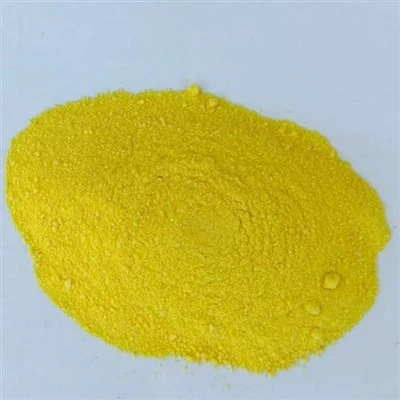
If you’re tired of dealing with persistent production challenges that eat into your profits and compromise your product quality, it’s time to talk to a catalyst specialist. Contact our team to discuss your needs, and we’ll work with you to find the right catalyst solution for your food processing operations. Together, we can make your products better, your operations more efficient, and contribute to a more sustainable food industry for everyone.
Catalyst References
- Food and Agriculture Organization of the United Nations. (2022). Catalysis in the Agri-Food Industry: Applications and Sustainability Impacts. Rome: FAO Press.
- White, A. J. (2021). Catalysts for Edible Oil Processing: Advances in Selectivity and Safety. Journal of Food Engineering, 298, 110427.
- Garcia, L., & Martinez, R. (2023). Immobilized Enzyme Catalysts for Sugar Production: Reducing Waste and Improving Yield. Food Chemistry, 412, 135568.
- European Food Safety Authority. (2020). Safety Assessment of Titanium Dioxide-Based Catalysts for Food Contact Materials. EFSA Journal, 18(5), 5982.
- Chen, H., et al. (2022). Biocatalysis for Food Waste Valorization: Transforming Agricultural Residues into Value-Added Products. Journal of Cleaner Production, 356, 131892.
Wuxi Honor Shine Chemical Co., Ltd.
As one of the most professional catalyst manufacturers and suppliers in China, we’re featured by quality products and good service. Please rest assured to wholesale bulk high-grade catalyst made in China here from our factory. For free sample, contact us now.
Address: Building 1, Zone D, No. 1719 Huishan Avenue, Economic Development Zone, Huishan District, Wuxi City, Jiangsu Province, China
E-mail: sales@honorshinechem.com
WebSite: https://www.marine-antifouling.com/
