As a rubber covered yarn supplier who’s spent the last 12 years troubleshooting every edge case from underwear seams to performance sportswear hems, I’ve learned that certifications aren’t just shiny stickers on a product sheet—they’re the difference between a batch that passes a lab test and one that causes a brand’s wholesale recall. When I first started out, I once shipped a 5,000-kilogram batch of core-spun rubber yarn without verifying its compliance with global textile safety standards. By the time the first complaint came in from a US-based activewear brand, I realized certifications were non-negotiable, not just for our reputation, but for protecting the brands that rely on our yarn to meet their own customer guarantees. Today, I only supply yarn that’s backed by industry-recognized certifications, and I want to break down what those matter most, why they count, and how they impact every step of the supply chain. Rubber Covered Yarn
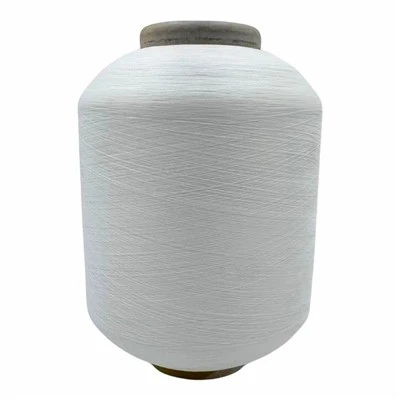
First, let’s ground what rubber covered yarn is, in case you’re new to the space: it’s a core-spun material where a thin rubber or latex core is wrapped in a outer layer of natural or synthetic fiber—think nylon, polyester, spandex, or cotton. It’s the stretchable thread that holds shapewear’s waistbands, socks’ elastic cuffs, swimwear’s side seams, and even the adjustable straps on backpacks. That dual structure (elastic core + protective outer layer) makes its quality depend on two things: the integrity of the rubber core (no breaks, no migration) and the durability of the outer wrap (no fraying, no pilling when stretched). Certifications exist to validate both, and to align with the region where your product will be sold, because textile regulations aren’t universal.
The most critical certification for rubber covered yarn, especially if you’re shipping to North America or European markets, is OEKO-TEX Standard 100. This isn’t a one-time test—it’s a series of screenings for harmful chemicals that could leach out of the yarn, which is a big deal for products that touch skin, like underwear, socks, and baby clothing. For our yarn, OEKO-TEX tests for over 1,000 substances: heavy metals like lead, nickel, and cadmium; phthalates (the plasticizers used to soften rubber, which can disrupt hormone function); allergenic dyes; and even formaldehyde, a preservative that’s sometimes used in textile processing. What makes this specific to rubber covered yarn? Unlike flat cotton or polyester, the rubber core can hold residual chemicals from manufacturing, and OEKO-TEX’s testing protocols for core-spun materials require sampling both the outer fiber wrap and the inner rubber core. I’ve seen smaller suppliers cut corners here: once, a new client brought in a batch of our competitor’s yarn that failed OEKO-TEX testing because their rubber core contained excessive amounts of DEHP, a phthalate banned by the EU for products intended for children under 14. If you’re selling to a brand that targets kids, this certification is non-negotiable—many major retailers (like Target and H&M) now require OEKO-TEX Standard 100 certification as a baseline for all textile components. We don’t charge extra for this certification; it’s included with every batch we ship, because we know brands can’t afford the risk of a failed retail audit.
Next, if you’re working with brands that focus on sustainability, GRS (Global Recycled Standard) certification is key. This applies if your rubber covered yarn uses recycled materials for either the outer fiber wrap or the rubber core. The GRS isn’t just a “recycled” label—it’s a third-party audit that verifies that recycled inputs are actually sourced, tracked through the supply chain, and meet social and environmental criteria. For our GRS-certified rubber covered yarn, we work with suppliers that source recycled nylon or polyester for the outer layer and recycled latex for the core. The audit checks every step: from the collection of plastic waste (to make recycled nylon) to the processing of rubber scrap (to make recycled latex) to ensure no materials are misrepresented. For example, a few years ago, we had a brand ask for 100% recycled rubber covered yarn for a line of sustainable activewear. Without GRS, we would have had to take their word that the rubber was recycled, but GRS requires chain-of-custody documentation that traces every kilogram back to its source. This certification also mandates fair labor practices in manufacturing facilities, which is a bonus—many brands now prioritize certifications that reduce their environmental footprint and support ethical labor, so GRS is a big draw for that segment. We’ve seen our GRS-certified yarn line grow 40% year over year as more brands shift to circular production models.
If your rubber covered yarn is going to be used in products that are stretched repeatedly—like sports bras, compression garments, or upholstery elastic bands—ASTM D2594 certification is a must. This is a standard from the American Society for Testing and Materials that specifically tests the stretch and recovery properties of elastic yarns, including rubber covered yarn. Let me explain what that means in practical terms: ASTM D2594 measures how much the yarn stretches under a load, how much it retains its shape after repeated stretching, and how resistant it is to breakage. I’ve had brands come to us with complaints that our yarn’s competitor’s elastic cuffs would sag after 10 washes, even though it passed basic OEKO-TEX testing. That was because it didn’t meet ASTM D2594 standards: the rubber core degraded after repeated stress, causing the outer wrap to pilling and lose elasticity. For our yarn, every batch is tested to ensure it has a stretch recovery rate of at least 85% after 500 cycles of stretching (the equivalent of 100 wash cycles for a garment). This certification is especially important for technical textiles—brands in the athletic wear or medical compression space rely on ASTM D2594 to ensure their products perform as promised. We keep a copy of the latest test results on file for every shipment, and we’re always updating our manufacturing processes to stay aligned with the latest revisions of the standard, which add stricter requirements for low-stretch and high-stretch yarns.
Another underrated certification is ISO 9001, which is a quality management system standard, not a product-specific test. For rubber covered yarn suppliers, ISO 9001 means we have a system in place to consistently produce yarn that meets client specifications, from the diameter of the outer wrap to the rubber core’s thickness. When I first launched my small operation, we had issues with batch consistency: one batch of yarn had a 20 denier outer wrap, the next had 18, which caused problems for a sock brand that needed uniform stitching. Adopting ISO 9001 forced us to document every step of production, from sourcing raw rubber to winding the finished yarn, and implement a quality control check at every stage. Now, every batch we produce is tracked with a batch number, and clients can request a copy of our ISO 9001 audit to confirm we have processes in place to avoid inconsistencies. This isn’t a make-or-break certification, but it’s a signal to clients that we’re committed to reliability, which is critical when you’re supplying thousands of kilometers of yarn to a brand’s production line.
Wait, what about certifications for products used in medical applications, like compression bandages or surgical elastic? For that, there’s ISO 13485, a standard for medical device manufacturing. If your rubber covered yarn is going into medical textiles, ISO 13485 ensures that the yarn is sterile (if required), free of contaminants, and manufactured in a controlled environment to meet medical-grade safety standards. I haven’t worked with many medical clients, but when a large bandage manufacturer reached out a couple of years ago, they required ISO 13485 certification because their products are regulated as medical devices. For that specific line, we had to upgrade our production facility to include sterile winding areas and implement traceability that tracks every spool back to the exact raw materials and production shift. That’s a big investment, but it opens up a high-demand niche market for rubber covered yarn.
Now, let’s address a common misconception I hear all the time: “Certifications are too expensive for small brands.” Look, I get it—when you’re a startup brand testing a prototype line, the last thing you want to do is pay for third-party testing. But here’s the thing: skipping certifications can cost you way more in the long run. A friend of mine launched a line of shapewear a few years ago, used uncertified rubber covered yarn, and within a month, customers were complaining about the yarn breaking, causing lumps in the fabric. She had to recall 10,000 units, which cost her more in refunds and brand damage than the cost of getting her yarn OEKO-TEX and ASTM certified. For startup brands, we offer small-batch certification options that are more affordable, so you can protect your brand without breaking the bank.
I want to also note that some certifications are region-specific. For example, Japan has the “Textile Safety Mark” (also called JIS L 1096), which is a standard for elastic textiles used in Japanese markets. If you’re shipping to Japan, you’ll need to ensure your rubber covered yarn meets JIS L 1096, which tests for stretch, recovery, and resistance to degradation from sweat (since many Japanese garments require high durability in humid climates). We have a separate line of yarn certified to JIS L 1096 for our Japanese clients, which is tested for resistance to color fading and core breakage after exposure to artificial sweat.
So, how do you choose the right certifications for your rubber covered yarn? It all depends on your product’s end use and your target market. If you’re making kids’ underwear for North America, start with OEKO-TEX Standard 100 Class 1 (the highest safety class for products that touch infants’ skin). If you’re making sustainable activewear for the EU, look for GRS and ASTM D2594. If you’re making medical compression garments, add ISO 13485. And for any brand that values reliability, ISO 9001 is a good baseline.
As a supplier, I’ve seen firsthand how certifications build trust. Last year, a large European sock company switched from a supplier that didn’t provide certification to us, specifically because we could share OEKO-TEX, GRS, and ASTM test results within 24 hours of a shipment being confirmed. They told me they’d spent weeks sorting through quality issues with their previous supplier, and certifications were the easiest way to ensure we’d deliver consistent, safe yarn. That’s why we’ve made certifications a core part of our operations, not an afterthought.
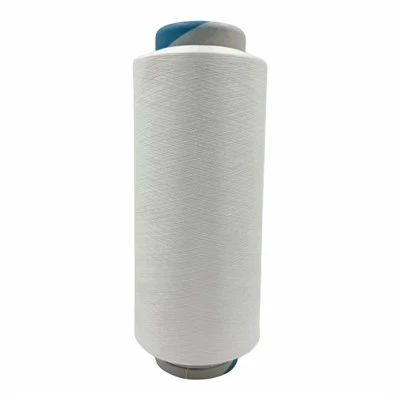
If you’re a brand looking for rubber covered yarn that meets your specific certification needs, whether you’re a startup testing a small prototype or a large manufacturer needing bulk shipments, I’m here to help. We work with clients across the globe, can provide custom certifications tailored to your product’s requirements, and can walk you through every step of verifying that our yarn meets your safety, sustainability, and performance standards. Don’t let uncertified yarn derail your brand’s reputation or cause costly production delays—reach out to discuss your needs, and let’s find the right certified rubber covered yarn for your next line.
Air Nylon Covered Yarn References
OEKO-TEX Association. (2024). OEKO-TEX Standard 100.
Global Recycling Standards Board. (2023). Global Recycled Standard (GRS) v4.2.
ASTM International. (2022). Standard Test Method for Stretch and Recovery Properties of Elastic Fabrics (ASTM D2594).
International Organization for Standardization. (2015). ISO 9001: Quality management systems — Requirements.
International Organization for Standardization. (2016). ISO 13485: Medical devices — Quality management systems — Requirements for regulatory purposes.
Japanese Industrial Standards Committee. (2021). JIS L 1096: Testing methods for woven fabrics.
Zhuji Yuanhui Import & Export Co., Ltd.
Zhuji Yuanhui Import & Export Co., Ltd. is one of the most professional rubber covered yarn manufacturers and suppliers in China. With abundant experience, we warmly welcome you to buy high-end rubber covered yarn made in China here from our factory. If you have any enquiry about quotation and free sample, please feel free to email us.
Address: No.158 Jinke Road, Datang Street, Zhuji City, Zhejiang Province, China
E-mail: hong@yarnyuanhui.com
WebSite: https://www.yarnfty.com/
