Hey there, it’s Jake from [your company name] – I’ve been doing Shou Sugi Ban for over 12 years now, first as a guy experimenting in my garage, and now as someone who ships charred wood all over the country. If you’re here, you’re probably either testing the waters with this old Japanese wood technique or ready to take on your first big project – and trust me, while the final, weather-resistant, sleek charred finish is chef’s kiss, the process has some real safety stuff you can’t skip. I’ve seen too many new folks wing it and end up with a burnt arm, a scorched deck, or worse, and I don’t want that for you. Let’s break this down straight, no boring textbook jargon, just the stuff I actually live by day in and day out. Shou Sugi Ban
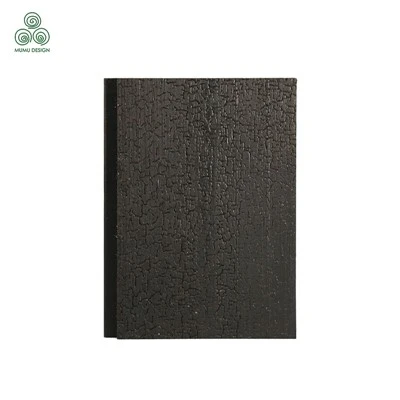
First off, let’s get one thing clear: Shou Sugi Ban isn’t just running a blowtorch over wood and calling it a day. That’s a rookie move, and it’s how you start a fire that doesn’t stay in the burn barrel. The most basic, non-negotiable safety rule here is fire control. I don’t care how experienced you think you are – wood is dry, flammable, and the charring process makes it smoke like crazy. Last year, a guy reached out to me saying he’d burned down his neighbor’s garden shed because he used a gas torch in his backyard, no fire screen, and a gust of wind blew a spark 20 feet over. Don’t be that guy. What do I actually do? First, pick your spot. If you’re working with small pieces (like siding planks), use a metal burn barrel – not a plastic one, not a wooden patio table repurposed. Line it with a few inches of sand or gravel at the bottom to catch embers, that way if a charred chunk falls, it doesn’t spark a bed of dry grass. For larger projects (like a full fence), work on a concrete pad or a non-combustible surface only – forget working on a wooden deck, even if you douse it with water before. Second, have two extinguishers within arm’s reach at all times: a standard Class A (for wood/paper) fire extinguisher, and a bucket of plain water. I keep a third bucket full of water too, just to douse my arms or the ground if a stray ember gets too close. And never, ever work alone. I know some folks like to say they work better solo, but when was the last time you watched someone hold a torch, a plank, and a phone to move that stray ember that just landed on your sleeve?
Next up, personal protective equipment (PPE) – I don’t mean the cheap plastic goggles from the dollar store that fog up after 10 minutes. Let’s start with the eyes. Charring wood creates fine ash, flying embers, and that black char dust that gets everywhere. Last month, a customer sent me a pic of their scratchy red eye from a tiny char fleck that got past their old goggles. Get ANSI-approved safety goggles, the kind that seal around your eyes, not just sit on the bridge of your nose. If you’re doing big projects where smoke is thick, grab a pair of safety glasses with a side shield too, no exceptions. Then your face and lungs. The smoke from charring wood isn’t just annoying – it has creosote, volatile organic compounds (VOCs), and tiny particulate matter that’ll make you cough so hard you lose your balance, or even irritate your lungs long-term. Wear a half-face respirator rated for organic vapors and particulates, not the paper dust masks from the hardware store. I learned this the hard way when I skipped a respirator on a cold day and ended up with a raw throat for a week. And don’t forget hearing protection! Torches get loud – especially the big propane ones I use for commercial jobs – and permanent hearing damage is 100% avoidable. Ear plugs or earmuffs, whichever works for you, just put ’em in before you light that torch.
Now, the torch itself – this is the tool that makes Shou Sugi Ban work, but it’s also the thing that’ll burn your hand off if you’re careless. First, don’t use a home improvement store heat gun for heavy charring. Those are for stripping paint, not turning wood into a finished surface. Use a propane torch with a wand that has a consistent flame, not a tiny handheld one that sputters. But regardless of the torch, check it before every single use. Turn the gas on, light it, and check for leaks around the hose or the nozzle – I do this by brushing soapy water on it, if bubbles form, that’s a leak, turn it off and fix it before you start. Never leave a lit torch unattended. I’ve had a buddy who walked away to grab a soda while his torch was on a plank, and it burned through the plank onto the ground. Dumb, but it happens. Also, how you hold the torch: keep it 6 to 12 inches away from the wood, moving in steady, even strokes. Don’t hold it in one spot too long – that’s how you get a hole in the wood, or even melt the torch’s nozzle if you hold it too close. And always point the torch away from your body, your clothes, and other people. I once had a spark jump from a plank to my flannel sleeve – I was lucky I had a water bucket right there, but my shirt had to go in the trash. Pro tip: wear 100% cotton or flame-resistant work clothes, not polyester or synthetic blends. Those melt when they get hot, and stick to your skin. I know flannel is cozy, but a thick cotton work shirt is way safer.
Wait, what about the wood itself? A lot of new folks forget that the wood you’re charring has its own risks. If you’re working with pressure-treated wood, don’t even bother charring it. Those have chemicals like copper and arsenic that release toxic fumes when burned – that’s not just bad for you, it’s bad for anyone who’ll be around the finished product too, like people touching it or sitting near a wall of it. Stick to untreated wood: cedar, cypress, Douglas fir, pine, those are all common for Shou Sugi Ban. Also, make sure the wood is completely dry before you start. If it’s freshly milled with any moisture left in it, it’ll steam and spit hot water at you when you torch it, and the char won’t be even. Let it air dry for a week or two, or use a dehumidifier to speed it up, but don’t skip that step. Another wood-related safety tip: don’t char old, rotted wood. Rot is dry and brittle, and it can catch fire way faster than healthy wood, plus it might have hidden nails or screws that will send metal shrapnel flying when the torch hits them. I once had a nail shoot out of a rotted deck plank I was charring – it grazed my arm, and that could’ve been way worse.
Oh, and post-char safety is just as important as the part where you’re holding the torch. When you’re done charring, the wood is super hot – like, can’t touch it with your bare hands for 24 hours hot. I know you’re excited to wipe off the ash and see the finished look, but don’t do that right away. Even if it looks cool on the outside, the inside might still be smoldering, especially if you did a thick char. A few years back, I left a stack of charred siding in my garage overnight, and one board smoldered so much it singed the edge of another board. That was a dumb mistake. Let the wood cool completely – I usually let mine sit outside for 24 hours, spaced out so air can circulate around every plank. Then, when you’re ready to clean the ash, use a stiff bristle brush and a plastic scraper, not a metal one, because metal can scratch the wood surface. And after that, you need to seal it, right? The sealant protects the char from moisture, insects, and UV damage. I recommend a penetrating oil, like boiled linseed oil or a polyurethane sealant made specifically for charred wood, because a thick, film-based sealant can obscure the beautiful texture of the char. But when you’re sealing, make sure the wood is still cool, and work in a well-ventilated area – even sealants can give off fumes, so keep the respirator on for that step too.
I get it, safety stuff can feel annoying, like it’s slowing you down from getting the perfect char. But in 12 years of doing this, I’ve never had a serious accident because I followed these rules, and I’ve seen way too many people learn the hard way. At [your company name], we don’t just sell pre-charred Shou Sugi Ban wood – we also offer guides and tips for people who want to do it themselves, because this technique is too cool to be messed up by a stupid mistake. If you’re tired of messing around with trial and error, or you need high-quality, safe-to-use charred wood for your next project, hit us up to talk through your needs. We can help you pick the right wood, even share tips for small or large projects, and make sure you get the finish you want without the headache or the safety risks.

Don’t skip the safety steps. Trust me, the cool, sleek, weather-resistant Shou Sugi Ban finish is worth waiting for, and worth doing right. Now go make something awesome – just stay safe while you do it.
Outdoor Table References:
- Japanese Forestry and Forest Products Research Institute. (2018). Traditional Shou Sugi Ban Wood Preservation: Safety and Application Guidelines.
- Occupational Safety and Health Administration (OSHA). (2021). Fire Safety for Woodworking and Charring Operations.
- American Wood Protection Association (AWPA). (2020). Safety Precautions for Charring Untreated Wood Finishes.
Dongguan Mumu WoodWork Co., Ltd.
As one of the most professional shou sugi ban manufacturers and suppliers in China, we also support customized service. Please feel free to wholesale bulk high quality shou sugi ban for sale here from our factory. Good service and low price are available.
Address: Room No.2602-2603, Unit 9B, Universal Commerce Center, Nancheng District, Dongguan City, Guangdong Province, China,523073
E-mail: sales@mumu-ing.com
WebSite: https://www.mumuthermowood.com/
