If you’ve walked through a city after dark in the last 15 years, you’ve probably noticed LED street lights everywhere. They’re a huge upgrade from the old high-pressure sodium bulbs that used to cast a yellow, harsh glow, and everyone from municipal engineers to small-town council members has been touting their benefits: lower energy bills, longer lifespans, less maintenance. But here’s the thing: LEDs don’t come without problems. As someone who’s been supplying LED street lights for nearly a decade—working with cities across the U.S., troubleshooting installations, and talking to crews on the ground—I’ve seen those issues firsthand. Too many cities bought cheap products that failed prematurely, struggled with light pollution, or faced sky-high retrofit costs that derailed their energy savings plans. Today, I want to break down the most common problems with LED street lights, and what we do as a supplier to solve them. LED Street Light
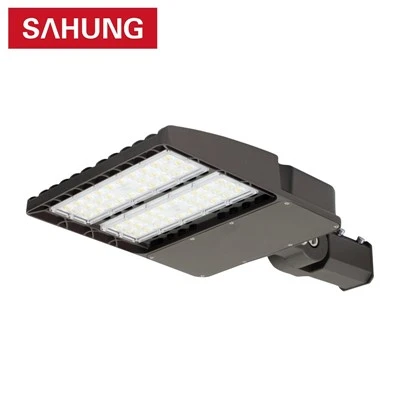
Let’s start with the biggest pain point most municipalities face: premature failure. Early on, a lot of cities jumped at rock-bottom LED street light offers from overseas manufacturers. Those suppliers pitched lifespans of 50,000 hours or more, but those numbers usually applied to lab conditions, not real-world use. Out in the field, lights were being installed in areas with extreme temperatures—think -20°F in northern Minnesota or 110°F in Arizona—and the cheap drivers and diodes inside those budget lights couldn’t handle the swings. We had a customer in Ohio a few years back who replaced 200 cheap LED lights just three years after installation; half were already dead, and the others were dimming so much they did a worse job illuminating crosswalks. The problem here is that many suppliers cut corners on materials to hit low price points, but that doesn’t translate to long-term value. As a supplier, we test every one of our drivers and diodes in climate chambers that replicate temperatures from -40°F to 140°F, and we include a 10-year warranty specifically for premature failure. That might make our initial price a little higher than the cheapest option, but when you calculate that you don’t have to pull trucks down city streets every three years to replace lights, the savings add up fast.
Next, there’s light pollution—a problem that’s not just an eyesore, but a public health issue. A lot of standard LED street lights are overly bright, and they shoot that light straight up into the sky instead of down onto the road. I’ve had astronomers reach out to us, saying whole neighborhood observatories can’t see the stars anymore, and local residents complaining that their bedrooms are lit up like it’s midnight noon. Worse, the International Dark-Sky Association has data that excessive artificial light at night disrupts sleep cycles, increases stress, and even affects local wildlife, like bird migrations. The fix here isn’t to dim the lights—that would defeat the energy savings and safety benefits of LEDs. It’s about proper optic design. Too many suppliers just use generic lenses that spread light in every direction, not where it’s needed. Our engineers design each light with a secondary optic that focuses 90% or more of the light directly onto the roadway, cutting off any light that would go upward or into adjacent properties. We also offer dimming capabilities that let cities adjust brightness at different times—lower brightness late at night when traffic is light, higher during rush hour. That’s a solution that works for everyone: darker skies, less wasted energy, and still safe, well-lit streets.
Then there’s the issue of glare. It’s a weird paradox: LED street lights are usually too bright, but for people driving or walking nearby, they can cause glare that’s just as bad as old sodium bulbs. I’ve talked to taxi drivers in Chicago who say the new LED lights make them squint, leading to more eye fatigue at the end of a shift, and pedestrians in Seattle who say the glare from street lights makes it hard to cross the street at night when oncoming cars have their headlights on. The root cause here is uniform light distribution and glare rating (GR). Many budget LED lights have a high GR because they use diodes that are unshielded, so the bright LED chips are visible at eye level. Our lights have a shield that covers the LED chips, directing light downward so drivers and pedestrians only see the lit road, not the bright source itself. We also test every unit to meet IESNA (Illuminating Engineering Society of North America) standards for glare, so cities can avoid complaints and keep roads safe without sacrificing comfort.
Another common problem is compatibility with existing infrastructure. A lot of cities don’t want to rip out all their old utility poles and wiring to install new LED lights—it’s a huge added cost that doesn’t fit in most budgets. But many LED suppliers sell only full replacement fixtures, meaning you have to pay for the whole thing, even if your poles and wiring are still in good shape. As a supplier, we offer retrofit kits that fit most standard utility poles, so you can keep what’s already installed and just swap out the old bulb and driver for a new LED unit. That cuts retrofit costs by 50% or more, and it’s a much faster installation too—our crews can swap a retrofit kit in 15 minutes, compared to an hour for a full replacement fixture. We also make sure our kits are compatible with smart city systems, so cities can add motion sensors or Wi-Fi connectivity later without having to rewire anything.
Wait, let’s talk about smart city integration too—because that’s a big one that a lot of suppliers drop the ball on. Many LED street lights are now being used as nodes for smart cities, with sensors for traffic, air quality, even public safety cameras. But a lot of cheap LED lights don’t have the capacity to support those add-ons. Their drivers are too small, or they don’t have the right ports, so cities end up having to replace the lights again a few years down the line. We design our LED lights with expandable driver capacity, so you can add smart sensors without upgrading the entire fixture. We also work with cities to map out their future needs—if they want to add crime mapping sensors in a neighborhood, we can design a light that integrates seamlessly, instead of being an afterthought. That’s not something you get with a supplier who only focuses on selling the cheapest light; it’s about building a long-term solution, not a one-time sale.
I want to be clear: I don’t think LED street lights are a bad technology. They’re far better than the alternatives when done right. The problems we see aren’t with the LEDs themselves—they’re with bad procurement practices and suppliers who don’t prioritize quality and long-term value over low upfront cost. Over the years, I’ve seen cities that saved 40% on their energy bills and cut maintenance costs by 70% with the right LED lights, and cities that wasted money on cheap units and ended up back where they started. It all comes down to partnering with a supplier that knows what they’re doing, not just selling a product.
If you’re a municipal engineer, a city manager, or a facilities director looking to upgrade your street lights, you don’t have to navigate these problems alone. We’ve helped dozens of cities across North America identify their specific pain points—whether it’s premature failure, light pollution, or budget constraints—and design a custom solution that fits their needs. We offer free site assessments, so we can come out to your area, test your current infrastructure, and show you exactly how our lights will perform there, not just in a lab. We also work with your budget to structure the retrofit in a way that pays for itself through energy and maintenance savings within a few years.
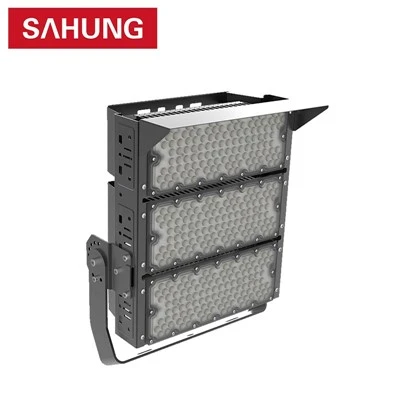
LED High Bay Light At the end of the day, street lights aren’t just a utility expense—they’re a safety feature, a part of your city’s identity, and an investment in the community. You shouldn’t have to choose between a cheap product that falls apart in three years and an overpriced system that doesn’t meet your needs. If you’re ready to stop dealing with the headaches of bad LED street lights and find a solution that works for your city, reach out to our team to discuss your project. We’re here to answer your questions, walk you through our products, and help you make the best choice for your community.
References
- International Dark-Sky Association. (2022). "Light Pollution and Public Health." IDA Science and Engineering Division.
- Illuminating Engineering Society of North America. (2021). "IESNA Standard for Roadway Lighting." IES.
- U.S. Department of Energy. (2023). "LED Street Light Performance and Cost Analysis." Office of Energy Efficiency and Renewable Energy.
- National Transportation Safety Board. (2022). "Glare from Roadway Lighting and Driver Fatigue." NTSB Safety Study.
Hangzhou Shanghong Electronic Technology Co., Ltd.
We are one of the most experienced led street light manufacturers and suppliers in China. With a professional production team, we offer a wide range of products with superior quality. Please feel free to wholesale custom made led street light from our factory.
Address: 5F, Building A, No.7 Xiyuan 2nd Road, Xihu District, Hangzhou City, Zhejiang, China.
E-mail: sales3@sahung.com
WebSite: https://www.sahung-light.com/
