Hey folks, it’s Mia from KC Nipple Co. – if you’re reading this, chances are you’re either a brewer who’s spent way too long troubleshooting draft line clogs, a part-time barista trying to keep your commercial tap system running smooth, or someone who just got their first batch of our KC nipples and is Googling “wait, how do I actually clean these without messing ’em up?” Trust me, I’ve been there. For years, we got emails from buyers asking why their KC nipples were leaking after cleaning, or why beer was tasting off, and 90% of the time it boiled down to the wrong cleaning method. KC Nipple
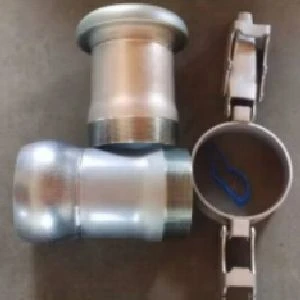
KC nipples aren’t your average small hardware part. They’re designed to connect draft lines, kegs, and beer dispensing equipment – they touch liquid that’s going into a customer’s glass, so you can’t cut corners. But you also can’t blast ’em with harsh chemicals or scrub ’em so hard you wear down the seals. Let’s break down what works, what definitely doesn’t, and why as a supplier, we’re here to make sure you get this right.
First, let’s get one thing straight: KC nipples come in a few materials – mostly food-grade stainless steel (304, to be exact) and sometimes food-grade plastic for specific light-use applications. The cleaning rules shift a little depending on which one you have, but the core principle is the same: remove all residual beer, sugar, and yeast without damaging the material or the critical threads and gaskets.
I’ve seen buyers use dish soap on stainless steel nipples before. Let’s just say that’s a hard pass. Regular dish soap has additives that leave a sticky film behind – yeast loves that film, and before you know it, your lines are foamy, and your beer has a weird aftertaste. Same with abrasive scrubs, like steel wool or scouring pads. They leave tiny metal shavings that can contaminate the beer, plus scratch the stainless steel, which creates grooves where gunk builds up permanently. If you’ve got plastic KC nipples, don’t boil ’em – a lot of cheap plastics warp at high temps, even if they’re food-grade. I learned that the hard way when a newbie brewer on my team boiled a batch for a demo and had half of them turn into weird lopsided shapes. Not a good look.
Now, let’s talk about the good stuff. The number one method we recommend for most regular use – like if you’re a busy taphouse cleaning nipples daily – is deep soak in a brewery-grade alkaline cleaner, paired with gentle manual scrubbing. Wait, I know that sounds fancy, but let’s keep it simple. Alkaline cleaners (the ones labeled food-safe, obviously) are made to break down beer proteins, sugar, and hop residue way better than dish soap. You just mix them with warm water (not hot – hot can actually make some residue stick harder) according to the instructions, dump your KC nipples in, and let them soak for 10-15 minutes.
Here’s the pro tip: take them apart first. KC nipples are made to come apart easily – just unscrew the two halves, pull out the small rubber gaskets, and drop all the pieces in the soak. That tiny gasket groove? That’s where 80% of the gunk hides, so you can’t skip taking ’em apart. After soaking, use a soft-bristle brush – like a bottle brush with nylon bristles, no metal – to scrub the threads and the inside of the nipples. Pay extra attention to the small bore, the part that connects to the line – that’s where clogs start. Rinse them really well with cold water afterward, until you can’t smell any cleaner or beer residue. Then let them air dry completely before putting them back together. We usually tell buyers to set them on a clean, lint-free towel overnight – moisture is another enemy, it can cause mold or mildew on the gaskets.
For smaller operations, like homebrewers or coffee shops that only use a few KC nipples, the soak method works too, but you don’t need a big commercial cleaner. We’ve had good feedback from folks using a mix of baking soda and warm water – it’s gentle, food-safe, and breaks down light residue. Just make sure you rinse extra well, because baking soda can leave a slight salty taste if you don’t get it all off. Another option for light cleaning between uses (like if you change a keg mid-shift and just need a quick touch-up): a spray of food-grade sanitizer, like the kind made for brewing equipment, and a quick wipe with a clean cloth. But don’t use that as a full clean – sanitizers kill germs, they don’t remove built-up gunk.
Wait, what about sanitizing, not just cleaning? A lot of people mix those two up, and it’s a big mistake. Cleaning is removing organic matter (beer, sugar, yeast) – sanitizing is killing the germs that are left after cleaning. After you do your soak and scrub, you can dip your KC nipples in a food-grade sanitizer solution for 2-3 minutes, and that’s it. No need to let them sit longer than that – most sanitizers work fast, and leaving parts in too long can break down rubber gaskets over time.
Now, let’s talk about what to avoid at all costs. I mentioned steel wool earlier, but I’ll say it again – never use abrasive tools on your KC nipples. Even mild abrasives, like baking soda paste used as a scrub, can scratch the stainless if you’re too aggressive. For plastic nipples, don’t put them in a dishwasher – dishwashers have high heat and harsh detergents that warp plastic and can cause the material to leach into your drinks. I’ve had a buyer come to me last month saying their plastic nipples started leaking, and when I asked, they told me they ran them through the commercial dishwasher three times a week. Sure enough, the plastic had warped, so the gaskets didn’t fit right anymore.
Another thing: don’t store KC nipples in a closed container right after cleaning. If you put a damp nipple in a airtight bag or box, you’re creating a perfect environment for mold and bacteria to grow. We always recommend hanging them on a clean drying rack, or laying them out on a clean towel, until they’re 100% dry, then storing them in a open bin or on a shelf away from any chemicals.
As a KC nipple supplier, we test every cleaning method with our parts before we recommend it. Last year, we did a trial with a group of breweries where half used the soak-and-scrub method, and half used a harsh acid cleaner. The acid cleaner actually corroded the threads on the stainless nipples after a few months, leading to leaks and inconsistent dispensing. That’s why we stick to the alkaline method – it’s safe, effective, and doesn’t damage the parts over time.
Wait, let’s also touch on how often to clean them. If you’re using KC nipples for a draft system, clean them every time you change a keg – that’s usually every 2-4 weeks for busy places, but if it’s a slower operation, every month is fine. For homebrewers using them for home kegs, you can get away with cleaning after every 3-4 uses, but if you notice off-flavors in your beer, it’s time to clean. If you’re using plastic nipples for something like a soda dispensing system, same rule – clean regularly, since sugar from soda can build up fast.
I know this all sounds like a lot, but it’s way simpler than trying to fix a leaky tap or bad beer that customers are complaining about. We’ve been supplying KC nipples for over 10 years, and the biggest complaint we get from buyers who switch from other brands isn’t about the nipple itself – it’s about how many of them mess up cleaning, which makes the nipple perform poorly.
If you’re reading this and nodding along, wondering if your current method is working, here’s a quick check: after cleaning, take a look at the inside of the nipple. If you can see any sticky residue or discoloration, you’re not cleaning enough. If the threads are scratched or the gaskets look worn (cracked, discolored, or misshapen), it’s time to replace your KC nipples – don’t try to clean a worn gasket, it won’t seal right.

At the end of the day, KC nipples are a small part of your dispensing system, but they matter so much for the quality of your drink. We build them to be durable, but they only work if you take care of them the right way. If you’re a brewer, barista, or equipment manager looking to stock up on high-quality KC nipples, or if you have questions about specific cleaning methods for your setup, hit us up to chat. We’re always here to help make sure your system runs smooth, no headaches, no bad beer, no leaky taps.
Safety Clamp References:
- American Society of Brewing Chemists. (2021). Recommended Practice for Cleaning and Sanitizing Draft Beer Dispensing Equipment. ASBC Journal.
- Food and Drug Administration. (2022). Food-Grade Cleaning Agents for Food Contact Surfaces. FDA.gov.
- Brewing Technology Services. (2020). Material Compatibility Guidelines for Draft System Components. BTS Technical Bulletin.
- National Restaurant Association. (2021). Commercial Food Equipment Maintenance: Cleaning Protocols for Dispensing Parts. NRA Educational Foundation.
Suzhou Fuyikang Metal Industrial Co., Ltd.
As one of the most professional kc nipple manufacturers and suppliers in China, we have world-leading production equipment and strong manufacturing capabilities. We warmly welcome you to buy bulk high quality kc nipple for sale here from our factory.
Address: No.26.Mudong Rd,Mudu Town, Wuzhong Distric, Suzhou City,Jiangsu Province,China
E-mail: SZFYK@SZFUYIKANG-COUPLING.COM
WebSite: https://www.fyk-coupling.com/
